

Jeep Coolant Reservoirs
Aftermarket components — not produced by the original vehicle manufacturer.
Coolant Reservoirs Sorted by Jeep Model
Pick your Jeep model below to see coolant reservoirs matched to your vehicle.
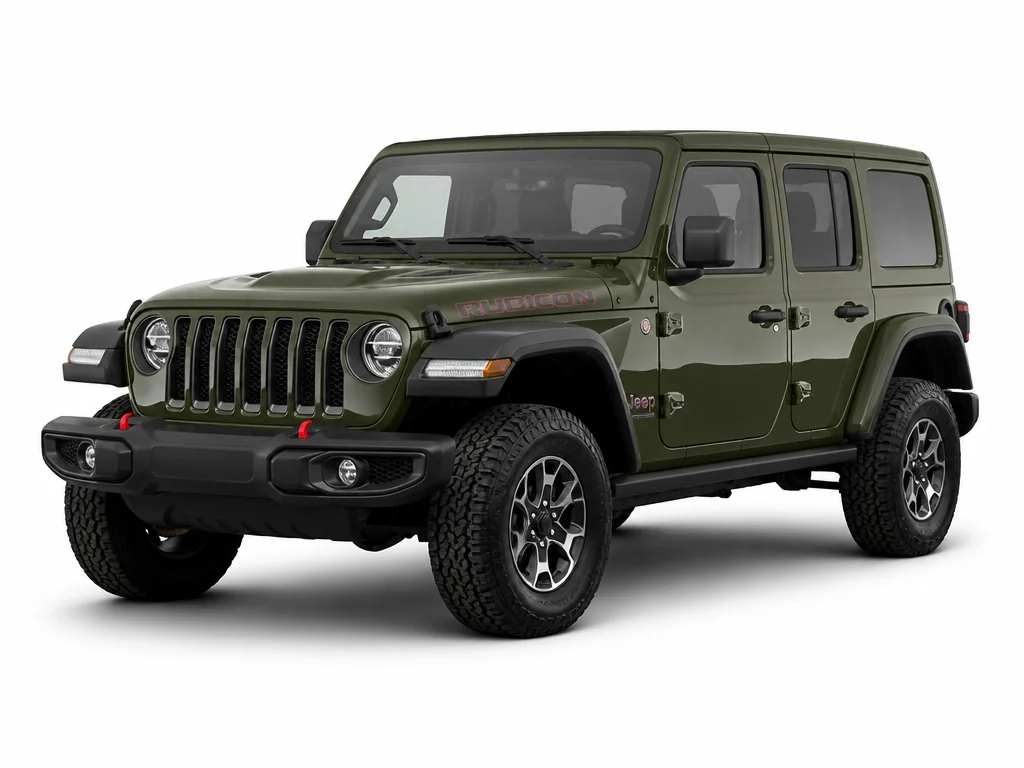
Jeep Wrangler JL
Fast MovingCoolant Reservoirs for Wrangler JL suv
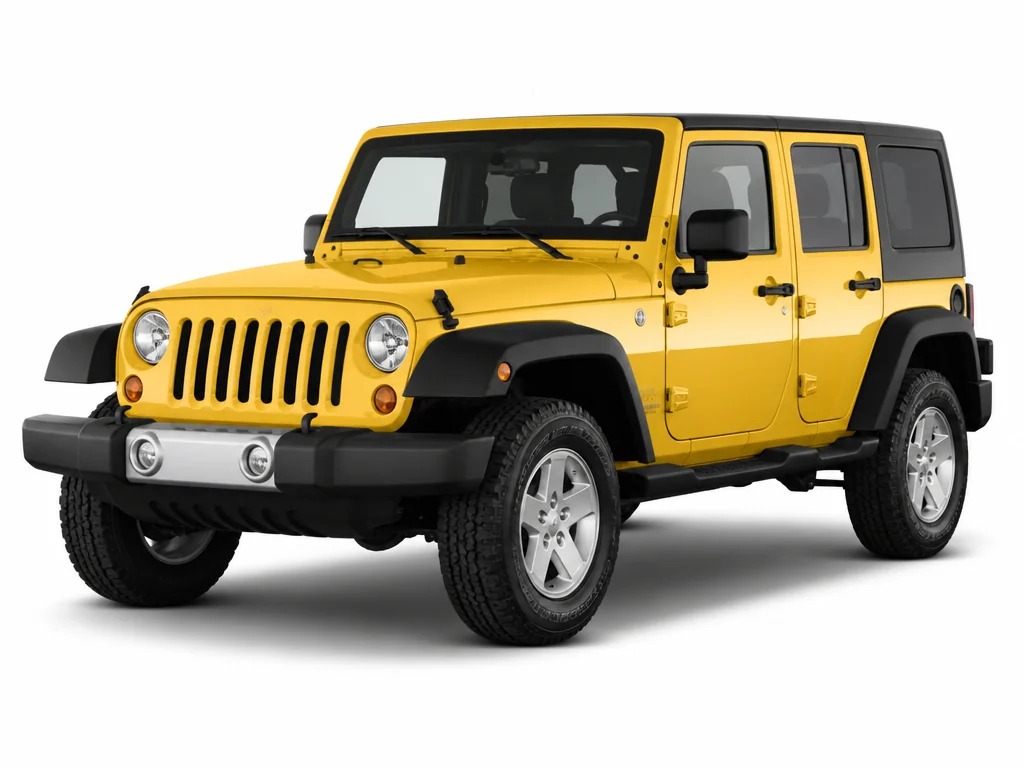
Jeep Wrangler JK
Fast MovingCoolant Reservoirs for Wrangler JK suv
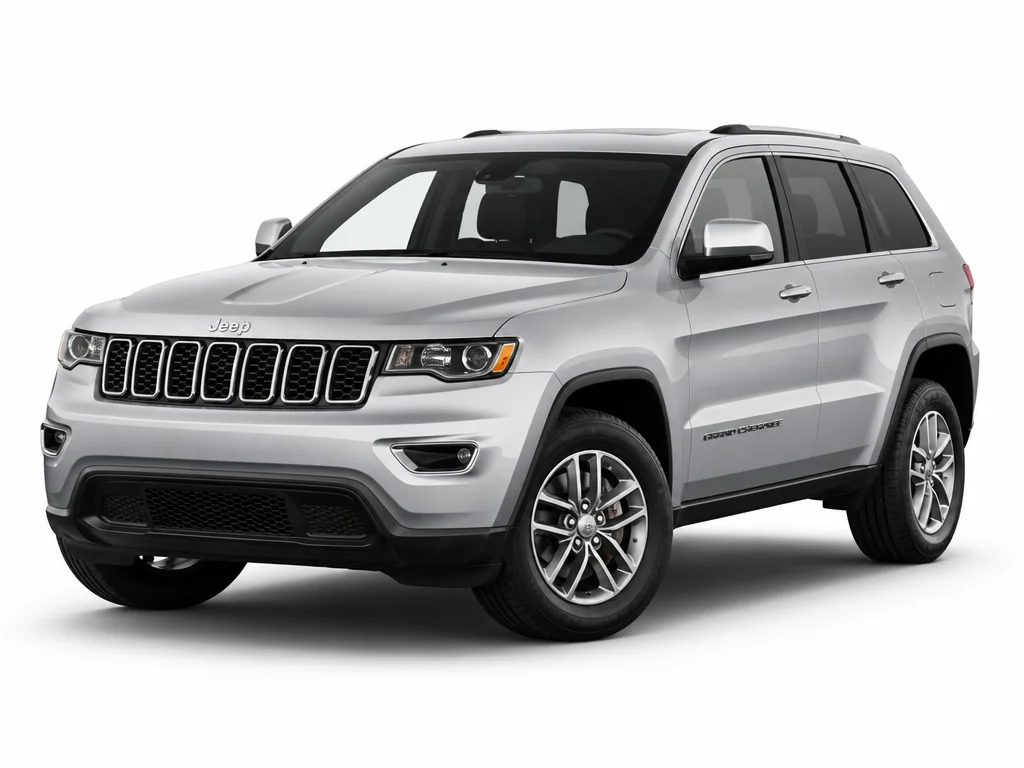
Jeep Grand Cherokee WK2
Fast MovingCoolant Reservoirs for Grand Cherokee WK2 suv

Jeep Compass
Fast MovingCoolant Reservoirs for Compass crossover

Jeep Cherokee KL
Fast MovingCoolant Reservoirs for Cherokee KL suv

Jeep Renegade
Fast MovingCoolant Reservoirs for Renegade crossover
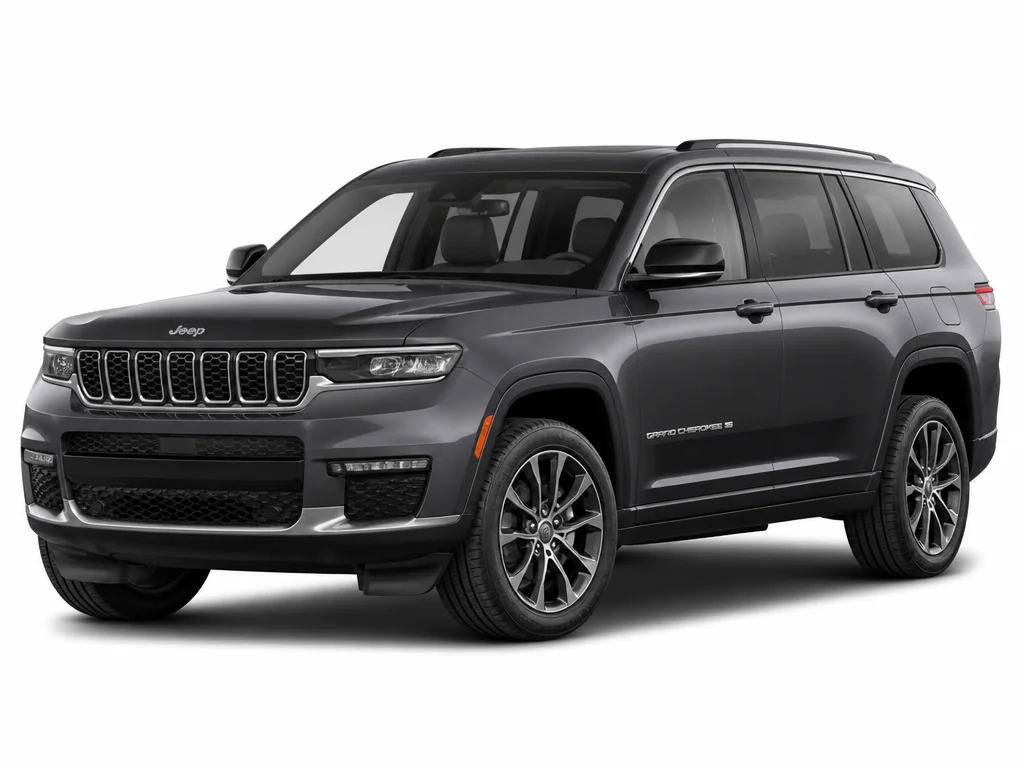
Jeep Grand Cherokee L
Fast MovingCoolant Reservoirs for Grand Cherokee L suv

Jeep Gladiator
Fast MovingCoolant Reservoirs for Gladiator pickup
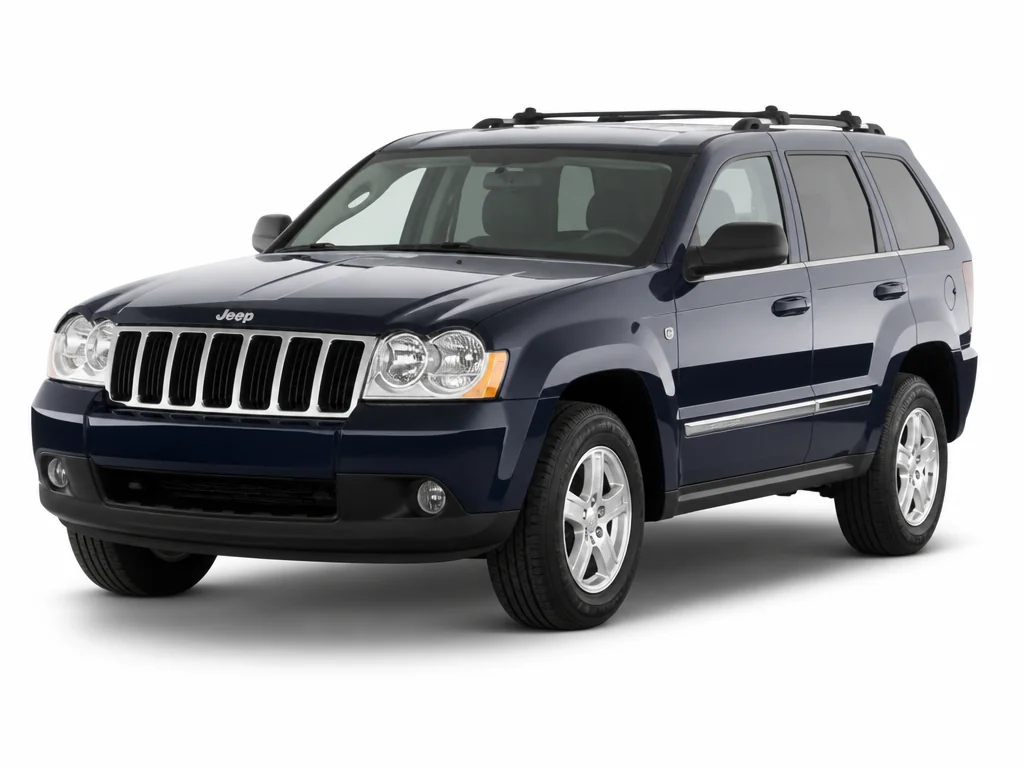
Jeep Grand Cherokee WK
In DemandCoolant Reservoirs for Grand Cherokee WK suv
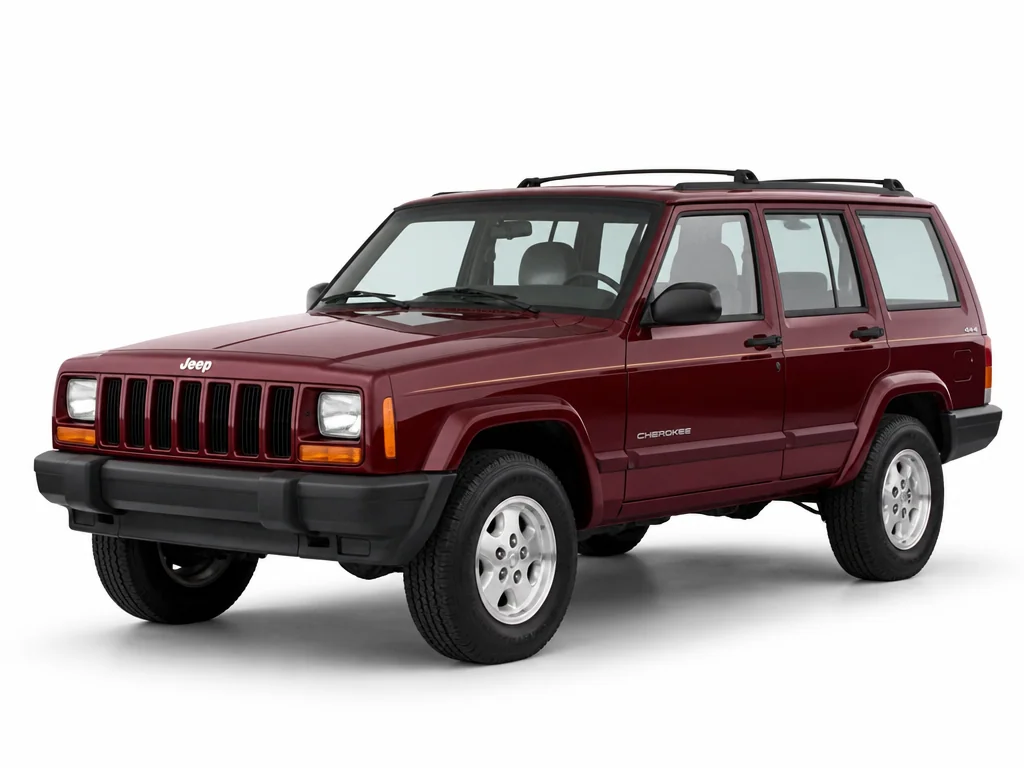
Jeep Cherokee XJ
In DemandCoolant Reservoirs for Cherokee XJ classic
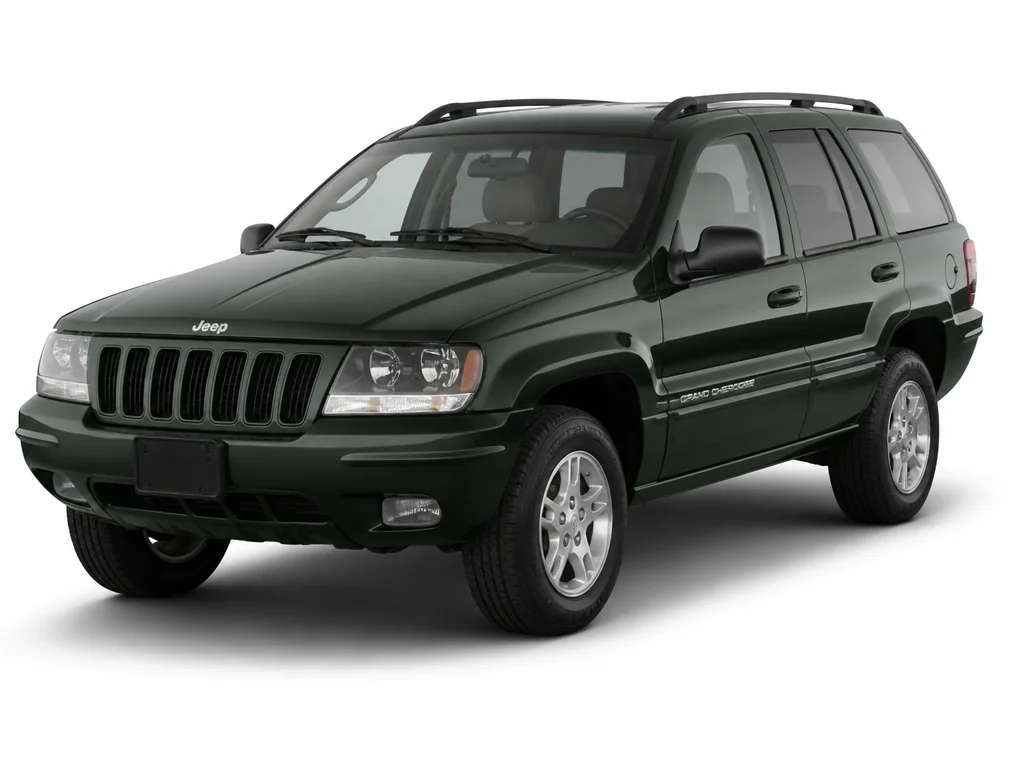
Jeep Grand Cherokee WJ
In DemandCoolant Reservoirs for Grand Cherokee WJ suv
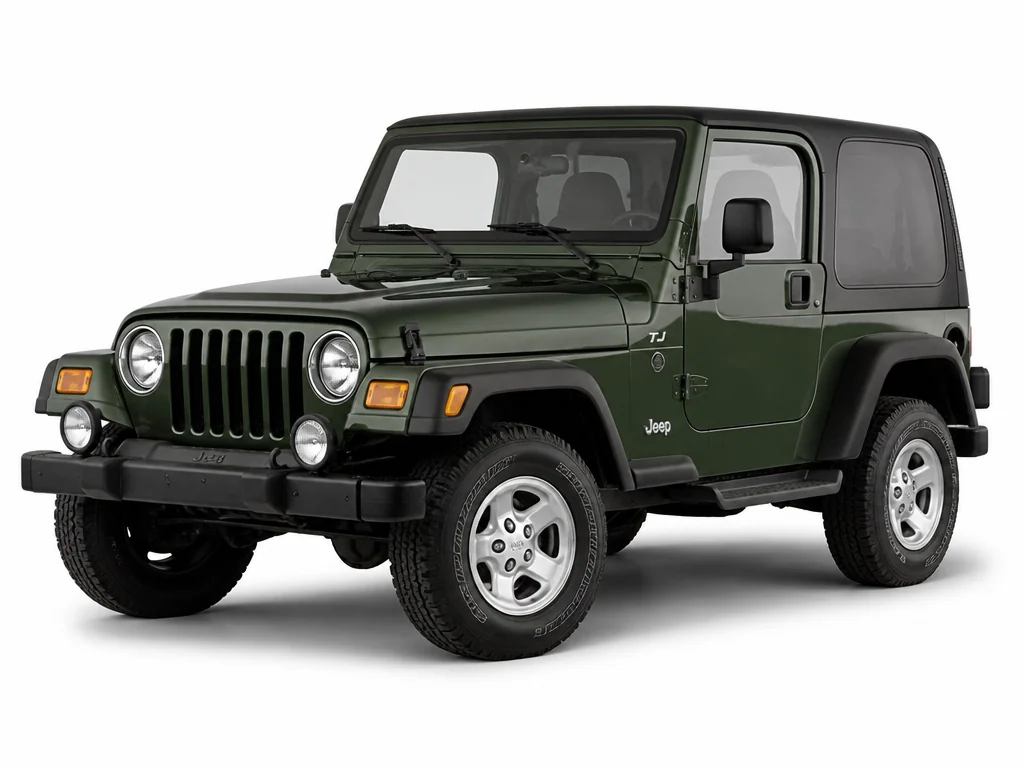
Jeep Wrangler TJ
In DemandCoolant Reservoirs for Wrangler TJ suv
Displaying 12 of 19 Jeep models
What Are Coolant Reservoirs?
The coolant reservoir (also called an expansion tank or overflow tank) is a translucent plastic tank that stores excess engine coolant and allows the cooling system to expand and contract as temperatures change. In Jeep vehicles like the Wrangler JL with the 3.6L Pentastar V6 or Grand Cherokee WK2, the reservoir is pressurized and critical for maintaining proper coolant levels, especially in South Africa's extreme temperature variations from highveld cold to Lowveld heat. A cracked or leaking reservoir can lead to overheating and serious engine damage, particularly on Joburg's stop-start traffic or Karoo highway runs.
Signs You Need New Coolant Reservoirs
Jeep Models That Use These Coolant Reservoirs
Our coolant reservoirs fit these popular Jeep models. Not sure which part fits? Our team can confirm for you.
Wrangler JL
Wrangler JL Coolant Reservoirs
Wrangler JK
Wrangler JK Coolant Reservoirs
Grand Cherokee WK2
Grand Cherokee WK2 Coolant Reservoirs
Compass
Compass Coolant Reservoirs
Cherokee KL
Cherokee KL Coolant Reservoirs
Renegade
Renegade Coolant Reservoirs
Related Parts Categories
Looking for something else? Browse related Jeep parts categories.
High-efficiency radiators for optimal engine cooling
Water PumpsEngine water pumps for coolant circulation
ThermostatsEngine thermostats for temperature regulation
Cooling FansRadiator fans and cooling fan assemblies
Radiator HosesRadiator hoses and coolant hoses
Heater CoresHeater core assemblies for cabin heating
Radiator CapsPressure radiator caps and coolant caps
Temperature SensorsCoolant temperature sensors and switches
Available Across South Africa
We deliver coolant reservoirs to cities and towns across all 9 provinces.
Gauteng
Coolant Reservoirs in PretoriaGauteng
Coolant Reservoirs in SowetoGauteng
Coolant Reservoirs in SandtonGauteng
Coolant Reservoirs in Cape TownWestern Cape
Coolant Reservoirs in BellvilleWestern Cape
Coolant Reservoirs in DurbanKwaZulu-Natal
Coolant Reservoirs in PietermaritzburgKwaZulu-Natal
Common Questions About Coolant Reservoirs
How much coolant should be in my Jeep's reservoir?
The coolant level should sit between the MIN and MAX marks on the side of the translucent reservoir tank when the engine is cold. On Wrangler JL and Grand Cherokee WK2 models, this is typically visible near the firewall on the passenger side—if it's below the MIN line, top up with the correct Mopar OAT coolant mixture (50/50 with distilled water). Never check or open the reservoir when the engine is hot, as the system is pressurized and can cause serious burns.
What does a coolant reservoir replacement cost for a Jeep in South Africa?
A genuine Mopar coolant reservoir for a Wrangler JK or Grand Cherokee WK2 typically costs R800-R1,800, while aftermarket options range from R450-R1,200. Installation is straightforward and takes about 30-45 minutes, so labour at a Joburg or Cape Town workshop should add R300-R600 to the total cost.
Why does my Jeep Cherokee's coolant reservoir keep emptying?
Common causes include a cracked reservoir tank (common on older Cherokee XJ and KL models due to heat cycling), a faulty pressure cap that won't hold system pressure, or an internal leak like a blown head gasket on the 2.4L Tigershark engine. If you're constantly topping up coolant but see no external puddles, have a pressure test done immediately—internal leaks can cause catastrophic engine damage on the 3.6L Pentastar V6.
Can I use any coolant in my Jeep's reservoir or does it need specific coolant?
Jeep vehicles require Mopar OAT (Organic Additive Technology) coolant, which is typically orange or pink—never mix it with green conventional coolant as this causes sludge and corrosion. Wrangler JL, Grand Cherokee WK2, and Cherokee KL models specifically need OAT coolant (MS-12106 specification), available at Jeep dealers or auto parts stores in SA for R180-R350 per 5-litre bottle.
Where is the coolant reservoir located on a Jeep Wrangler?
On Wrangler JL (2018+) and JK (2007-2018) models, the coolant reservoir is located on the passenger side of the engine bay, near the firewall and mounted to the inner fender. It's a translucent white or light-coloured plastic tank with MIN/MAX markings—on the JL, it sits just behind the air intake assembly and is easily visible when you open the bonnet.
Learn More About Coolant Reservoirs
Official Jeep SA website with model specifications, service information, and dealer locator for genuine Mopar parts.
AA South Africa's guidance on vehicle cooling system maintenance and breakdown prevention tips.
Technical overview of automotive cooling systems, including expansion tank function and thermodynamic principles.

Struggling to Find the Correct Coolant Reservoirs?
Our Jeep parts advisors can cross-reference your VIN or engine code to pinpoint exactly what you need.