



Jeep Renegade Brake Booster
Aftermarket brake booster engineered to slot into the Jeep Renegade. Cross-referenced against OEM specs and dispatched countrywide from our warehouse
About Jeep Renegade Brake Booster
Finding the right Jeep Renegade Brake Booster parts in South Africa starts with identifying your exact build year and drivetrain. The Renegade was built in variants including the 1.4L MultiAir Longitude, 1.4L MultiAir Limited, 2.4L Trailhawk, and the correct brake booster can differ between these configurations. Typical Renegade concerns around this component group include premature wear from our high-temperature summers and long highway runs, as well as dust contamination in off-road conditions — all factors our team considers when cross-referencing part numbers against your VIN.
Our regularly stocked aftermarket brake booster for the Jeep Renegade ships countrywide from Durban, typically dispatched within 24 to 48 hours, and is backed by a fitment guarantee. Not sure whether to replace just the brake booster or the whole assembly? Send us your VIN or engine code and we will advise the most cost-effective fix for your Renegade.
What Are Jeep Renegade Brake Booster?
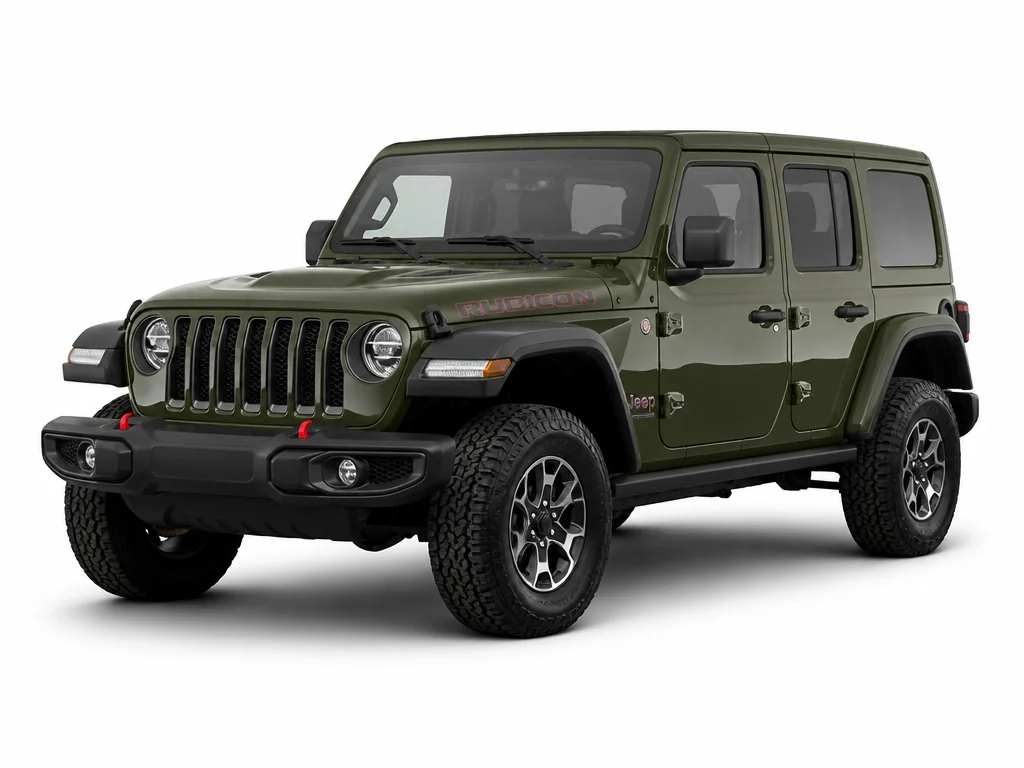
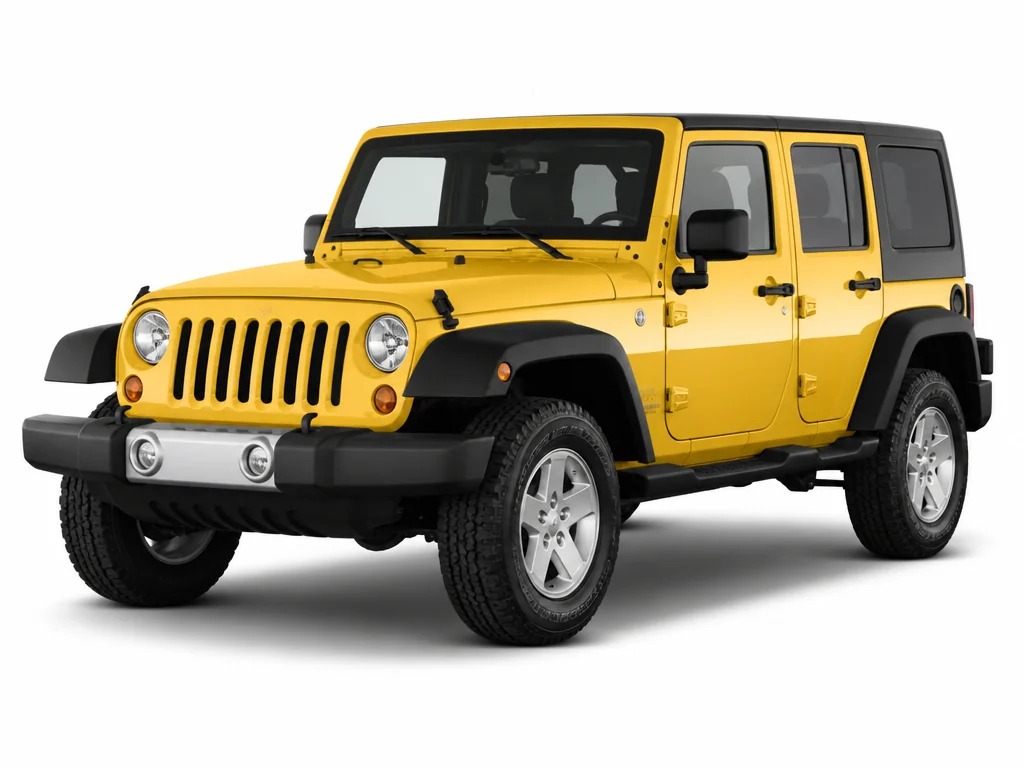
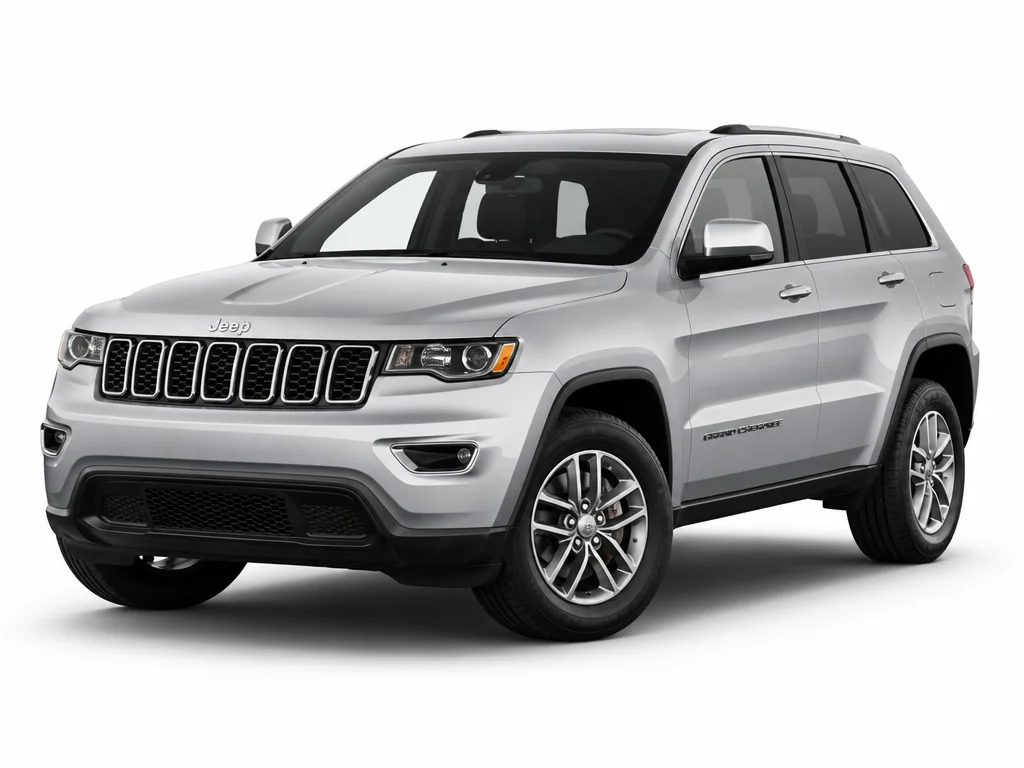
The brake booster (also called vacuum servo or brake servo) multiplies the force you apply to the brake pedal, making it easier to stop your Jeep. Most Jeep models like the Wrangler JL, Grand Cherokee WK2, and Cherokee KL use vacuum-operated boosters powered by engine intake manifold vacuum, while some newer 2.0L Turbo models use electric or hydraulic systems. On South African roads with frequent stop-start traffic in Johannesburg or Cape Town, a failing booster forces you to push much harder on the brake pedal, which is dangerous when you need emergency braking.
Signs You Need New Brake Booster
Common Questions About Jeep Renegade Brake Booster
How much does brake booster replacement cost for a Jeep in South Africa?
Brake booster replacement for most Jeeps costs R2,800-R6,500 including parts and labour, depending on model and whether it's vacuum or electric. A vacuum booster for a Wrangler JK or Grand Cherokee WK2 typically runs R1,800-R3,200 for the part, while electric boosters on newer 2.0L Turbo models can cost R4,500-R8,000. Labour adds R800-R1,500 at most workshops in Pretoria or Durban.
Can you repair a Jeep brake booster or must you replace it?
Brake boosters cannot be reliably repaired and must be replaced when they fail—the internal diaphragm and vacuum chamber are sealed units. Some older Wrangler TJ or Cherokee XJ owners attempt rebuilds with imported kits, but this is risky and not recommended for daily drivers. Replacement with a quality OEM or aftermarket booster is the only safe solution.
How long does a Jeep brake booster last in South Africa?
Most Jeep brake boosters last 150,000-250,000km under normal conditions, often matching the vehicle's lifespan. However, South African conditions like highveld altitude (affecting vacuum strength), coastal humidity causing corrosion, and dusty gravel roads can reduce lifespan to 120,000-180,000km. Grand Cherokee and Wrangler models with the 3.6L Pentastar typically see good booster longevity, while older 3.8L V6 models may develop vacuum leaks sooner.
What causes brake booster failure on Jeep Wranglers and Grand Cherokees?
Common causes include ruptured internal diaphragm from age and heat cycles, vacuum hose leaks or blockages affecting vacuum supply, and corrosion of the booster housing from moisture intrusion (especially in coastal areas). On Wrangler JK models with the 3.6L Pentastar, faulty check valves can also prevent the booster from maintaining vacuum when the engine is off.
How do I test if my Jeep's brake booster is working properly?
With the engine off, pump the brake pedal several times to deplete vacuum, then hold pedal pressure while starting the engine—the pedal should drop slightly if the booster is working. Alternatively, press the brake pedal with the engine running and listen for hissing sounds indicating vacuum leaks. If your Wrangler or Cherokee requires excessive pedal effort despite this test showing vacuum presence, the booster's internal components have likely failed.
Learn More About Jeep Renegade Brake Booster
Official Jeep SA website with service information and dealer locator for authorized brake system servicing.
AA South Africa resources on brake system maintenance and safety standards for South African roads.
Technical explanation of how vacuum brake boosters work and common failure modes.
Other Brakes for Jeep Renegade
Not Sure Which Brake Booster Fits Your Renegade?
Share your VIN or engine code and our Jeep team will cross-check the correct brake booster for your exact Renegade variant.