



Jeep 3.6 Pentastar V6 Engine Problems: Symptoms & SA Cost

If your Jeep 3.6 Pentastar V6 is ticking at idle, throwing a cylinder-2 misfire, or quietly using oil between services, you’re looking at the failures that define this engine: an early left cylinder head that can crack a valve seat, rocker arm needle bearings that wear and chew the camshaft, a plastic oil filter housing and cooler that warps and leaks, and oil consumption as the motor ages 123. In South Africa, budget R2 500 – R6 000 for a rocker arm and lifter job, R3 500 – R8 000 for an oil cooler housing replacement, R28 000 – R55 000 for a single cylinder head, and R55 000 – R75 000 for a used or reconditioned 3.6 Pentastar engine fitted once the bottom end or both heads are gone. Catch the tick early and it’s a top-end repair — ignore it and the metal debris circulates until you’re buying a motor.
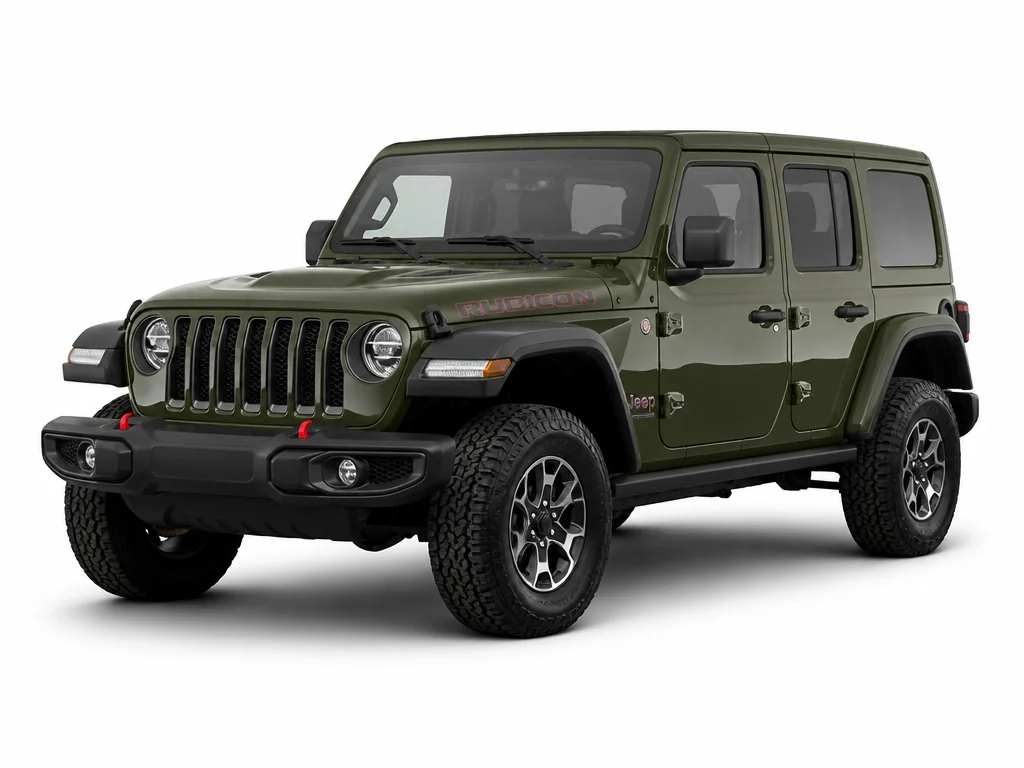
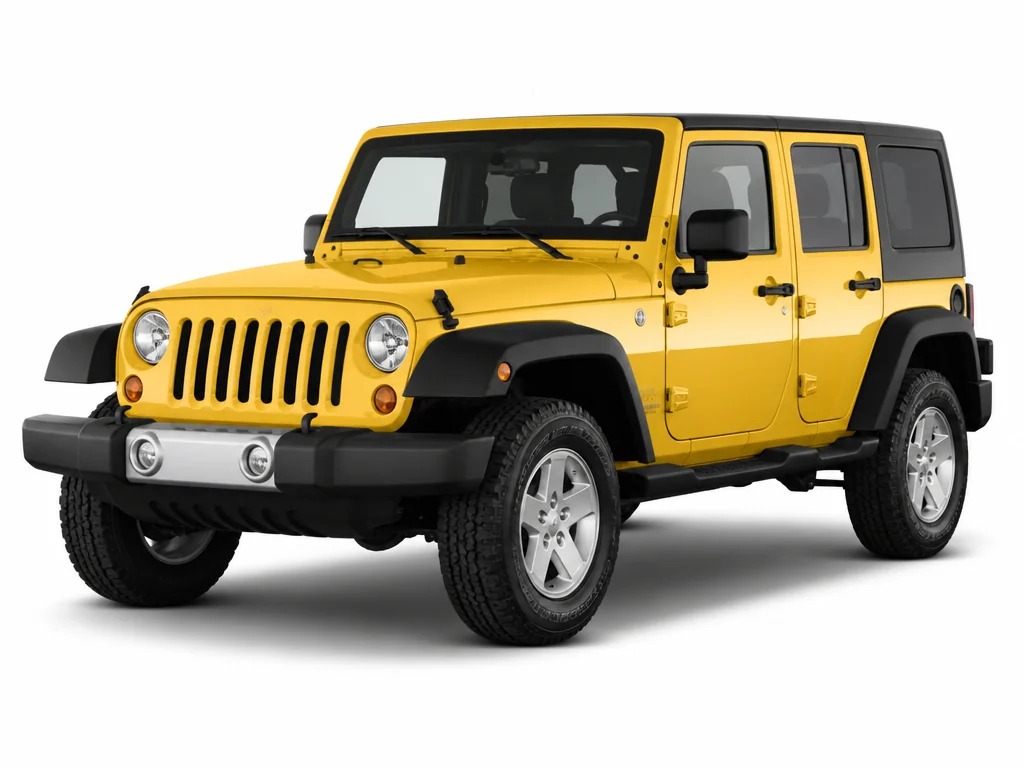
This guide covers the 3.6 Pentastar V6 as fitted across the Jeep range — the Wrangler JK and JL, Grand Cherokee WK2 and L, and Gladiator — and tells you which failures are real, which years carry the most risk, and what each fix costs at SA rates.
Key Takeaways
- The early 2011–2013 left cylinder head had a genuine factory defect — overheating valve seats on cylinder #2 that tick, misfire and can crack the head 14.
- FCA extended the warranty on those left heads to 10 years / 150,000 miles and fixed it in production from mid-2012 with hardened valve seats and guides 4.
- The rocker arm needle bearings fail on a much wider range of years (the 2014–2020 class action) — they wear, drop, and let the rocker contact the camshaft, making the “Pentastar tick” and shedding metal into the oil 25.
- The plastic oil filter housing / oil cooler warps and cracks with heat, leaking oil (and sometimes coolant) into the valley — a known pattern failure best fixed with an aluminium replacement 3.
- A post-2012 Pentastar with a sound top end, the correct 5W-20 oil and disciplined oil changes is a genuinely durable engine; neglect and overdue oil are what kill them.
1. Which 3.6 Pentastar Do You Have — and Why the Year Matters
The 3.6 Pentastar V6 has been Jeep’s volume petrol engine since 2011, putting out around 209–213 kW in most Jeep applications. It powers the Wrangler JK (2012–2018) and JL, the Grand Cherokee WK2 and L, and the Gladiator 6. Mechanically the engine is the same family across all of them, but the model year decides how much risk you’re carrying.
The dividing line is the left (driver’s side) cylinder head. The earliest engines — 2011, 2012 and early 2013 — are the ones owners are told to be wary of, because of the valve-seat defect covered in the next section 14. The production fix landed in mid-2012, so a late-2012 or 2013-build engine with the corrected head is a different proposition to a 2011 unit that’s never been touched.
Why it matters before you spend a cent: a post-fix Pentastar that’s ticking is almost always a rocker arm / lifter job, a top-end repair. An early left head that’s cracked around the #2 valve seat is a head replacement. Same tick, very different bill. Confirm the build and check whether the head has already been done under warranty before you pay for anything.

2. Early Left Cylinder Head Failure (2011–2013)
This is the failure that built the Pentastar’s mixed reputation, and it’s specific to the early left cylinder head. Some 2011–2013 engines ran into overheating of the valve seats on cylinder #2, which would tick, drop the cylinder into a misfire, and in the worst cases crack the head around the seat 14.
The tell-tales are a persistent tick that doesn’t clear when warm, a stored P0302 (cylinder 2 misfire), rough running, and sometimes unexplained coolant loss with no external leak as the crack opens up. FCA took it seriously: they redesigned the head with hardened valve seats and guides, rolled the fix into production from mid-2012, and extended the warranty on the left cylinder head to 10 years or 150,000 miles on affected 2011–2013 vehicles 4.
For South African buyers this matters twice over. Local cars were never on the US warranty mailing list, so most have never had the head done — and at 10-plus years old, many are now outside even the extended window. If you’re buying a 2011–2013 Jeep on the 3.6, treat the left head as a known risk: get a cold-start listen and a scan for cylinder-2 misfire history before money changes hands. Because this is the one failure with the most depth, we’ve written it up in full — symptoms, diagnosis and the head-versus-engine decision — in our dedicated guide to the Pentastar cracked cylinder head.
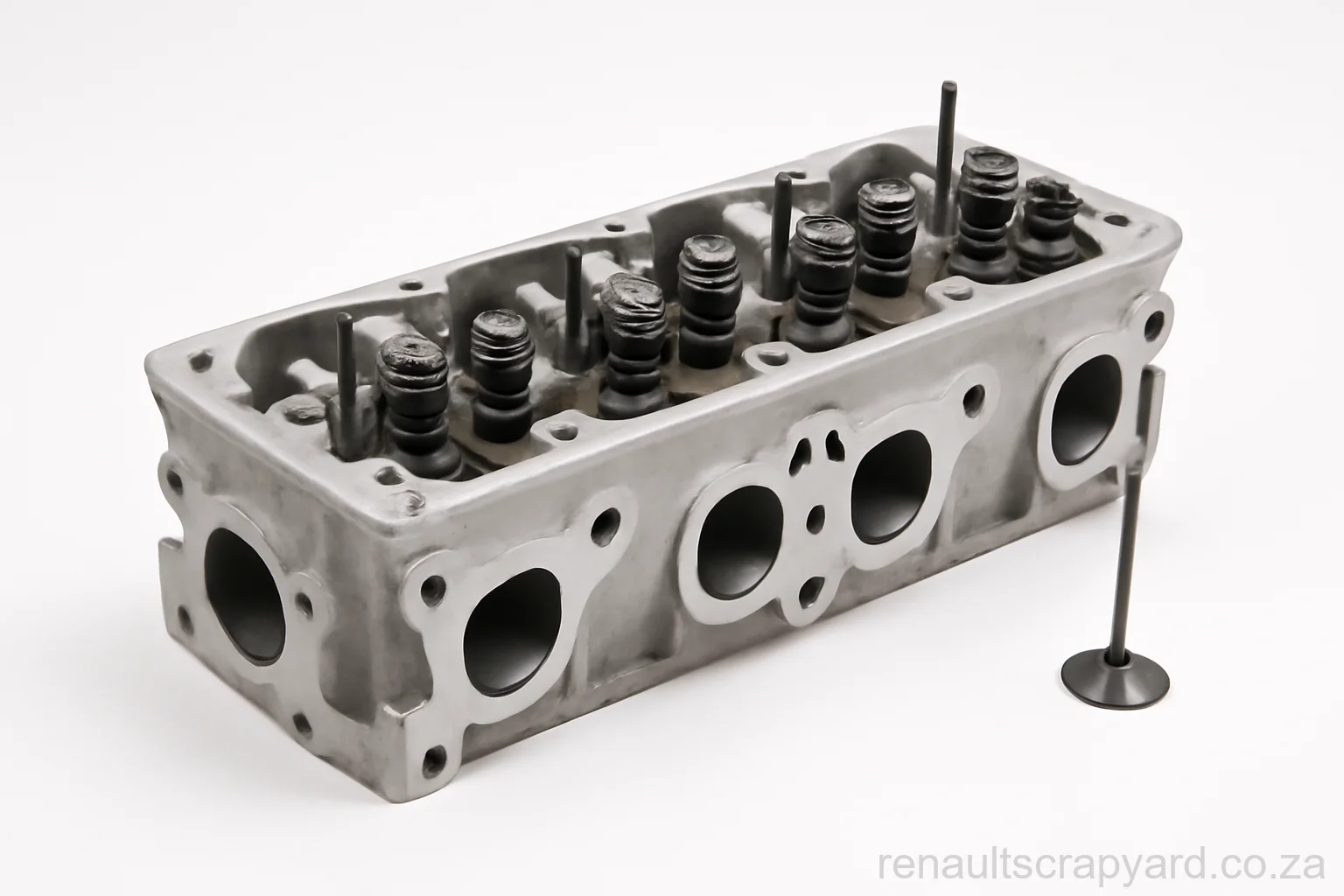
Pentastar Cylinder Heads
Ticking #2 cylinder, a stubborn misfire or coolant vanishing with no leak on an early Pentastar? We supply left and right 3.6 cylinder heads — used, reconditioned with hardened seats, or new — as separate line items so a single head doesn't force you into a whole engine.
3. Rocker Arm & Lifter Failure — the “Pentastar Tick”
If the cylinder head defect is the early-years problem, the rocker arm failure is the one that spans the widest range of engines — the basis of a 2014–2020 class action covering the Grand Cherokee, Wrangler and a long list of Dodge, Chrysler and RAM models 25.
Inside each rocker arm is a small needle-bearing roller that rides on the camshaft lobe. On affected engines those needle bearings wear prematurely, become loose and drop, which shifts the rocker out of alignment and lets it scrape against the camshaft 2. That scraping is the famous Pentastar tick, and it does two bad things at once: it generates a misfire (often with bucking, surging and hesitation), and it sheds metal debris into the oil, which then circulates through the whole engine 25.
What to listen and watch for:
- A tick or tapping from the top of one cylinder bank that does not go away as the engine warms up.
- A misfire code (commonly the cylinder under the failing rocker) with rough running, hesitation or a flashing check-engine light under load.
- Glitter in the oil on a drain or filter cut-open — a sign debris is already circulating.
Caught early, this is a top-end repair: new rocker arms and lifters, and on a worn engine often a camshaft. Left to run, the circulating metal can damage bearings and turn a R5 000 job into a full engine. The moment a Pentastar tick is confirmed, stop racking up kilometres and get the top end opened up.
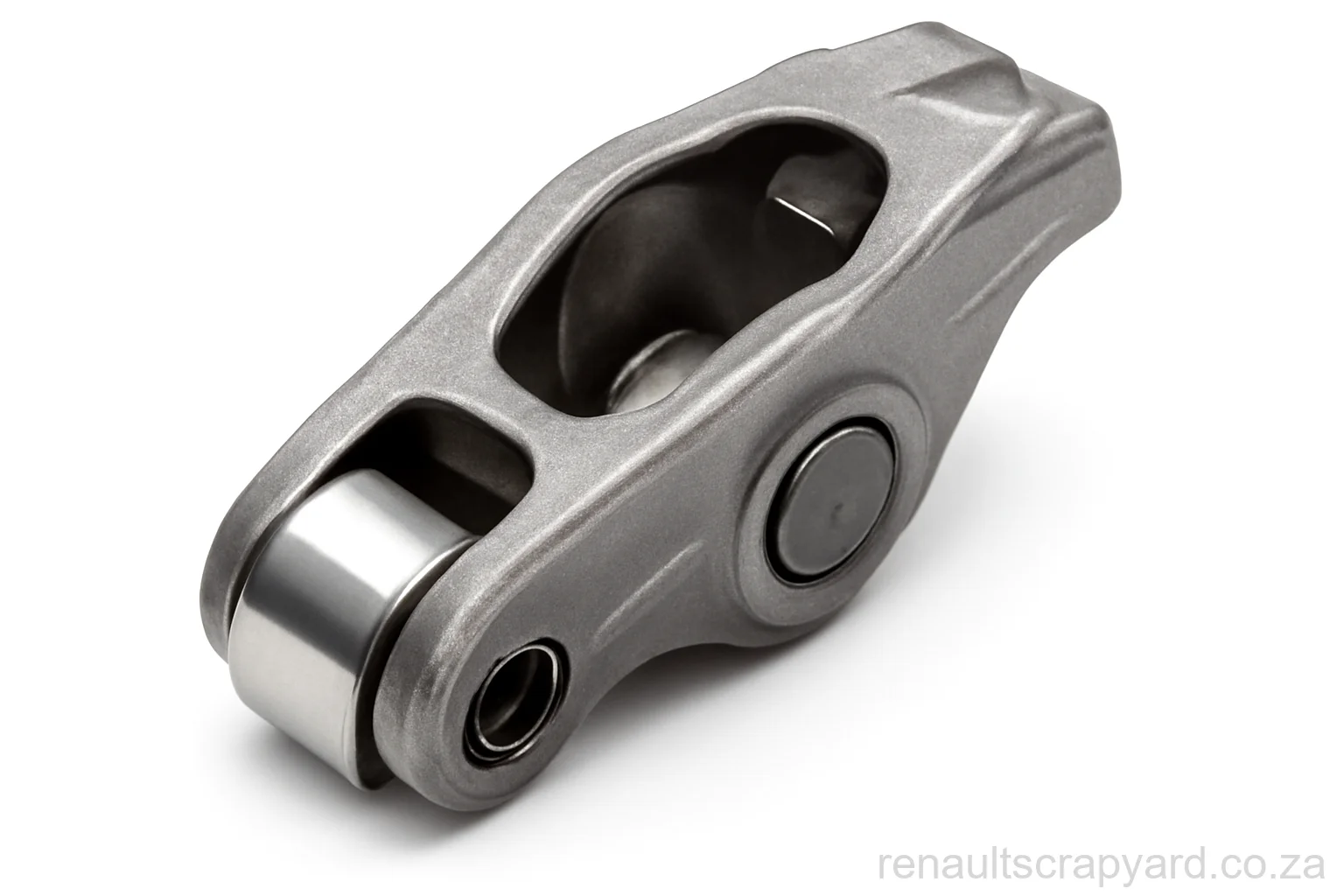
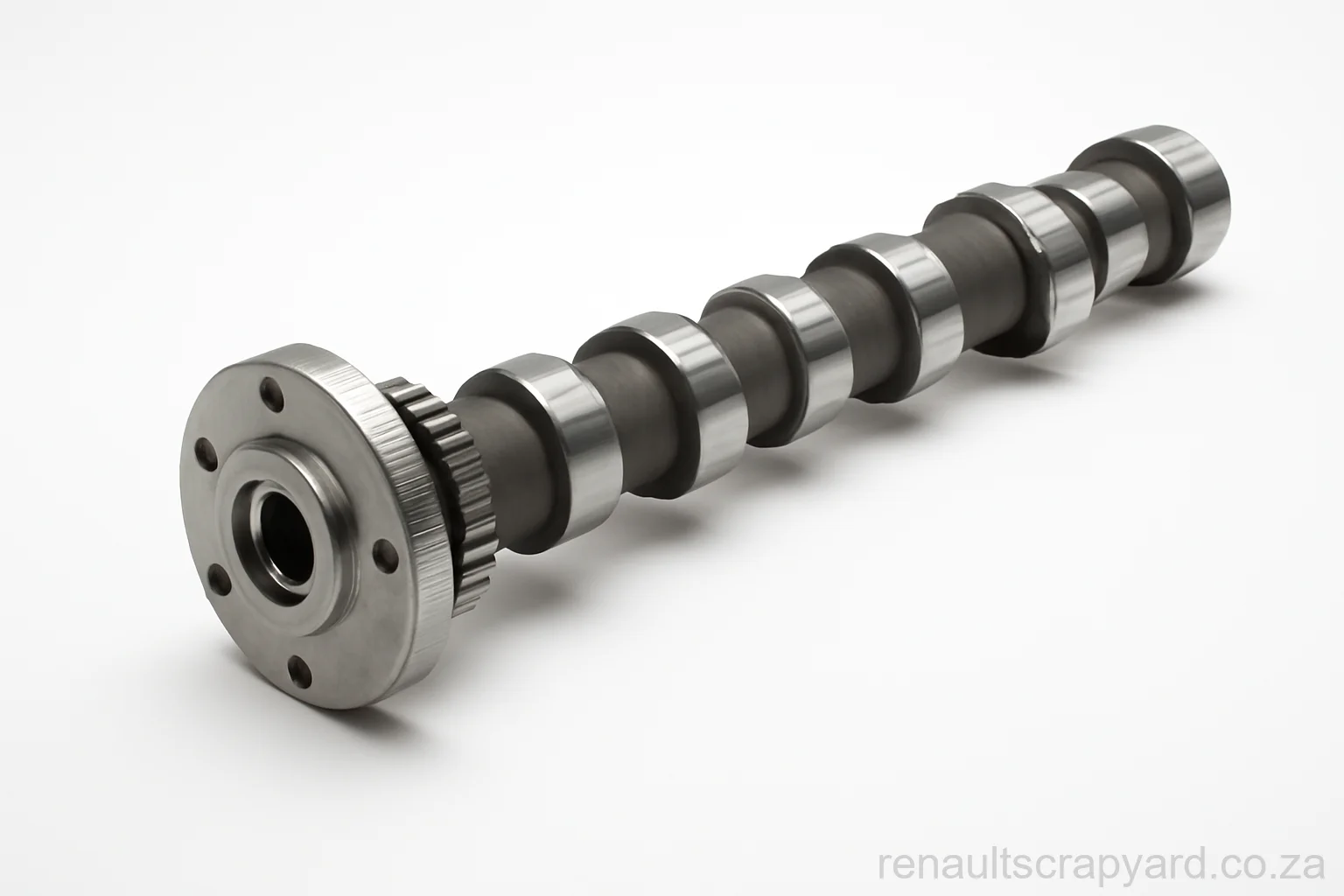
Rocker Arms, Lifters & Camshafts
Confirmed Pentastar tick? We stock 3.6 rocker arms, hydraulic lifters and camshafts so you can fix the top end properly rather than chasing one noisy cylinder. Tell us your build year and we'll match the right parts.
4. Oil Filter Housing & Oil Cooler Leaks
The single most common Pentastar leak isn’t a gasket on the engine — it’s the oil filter housing and integrated oil cooler, which Chrysler made from plastic. With years of underbonnet heat cycling the plastic warps and cracks, and the gaskets harden, letting oil seep into the engine valley and in some cases mix oil and coolant 3.
It’s a true pattern failure across the 3.6 family, and it’s often made worse by over-tightening the oil filter cap on a service, which stresses the brittle plastic 3. The tell-tales are oil pooling in the V of the engine, oil weeping down the back of the block, a burning-oil smell, and sometimes coolant disappearing. The fix the trade has settled on is to bin the plastic unit and fit an aluminium oil cooler housing with fresh gaskets — aluminium handles the heat where the original plastic never could 3.
While the cooling system is open, it’s worth checking the water pump — a Pentastar weak point that, if it fails and lets the engine overheat, only accelerates the plastic-housing problem. Doing the housing and water pump together saves a second tear-down.
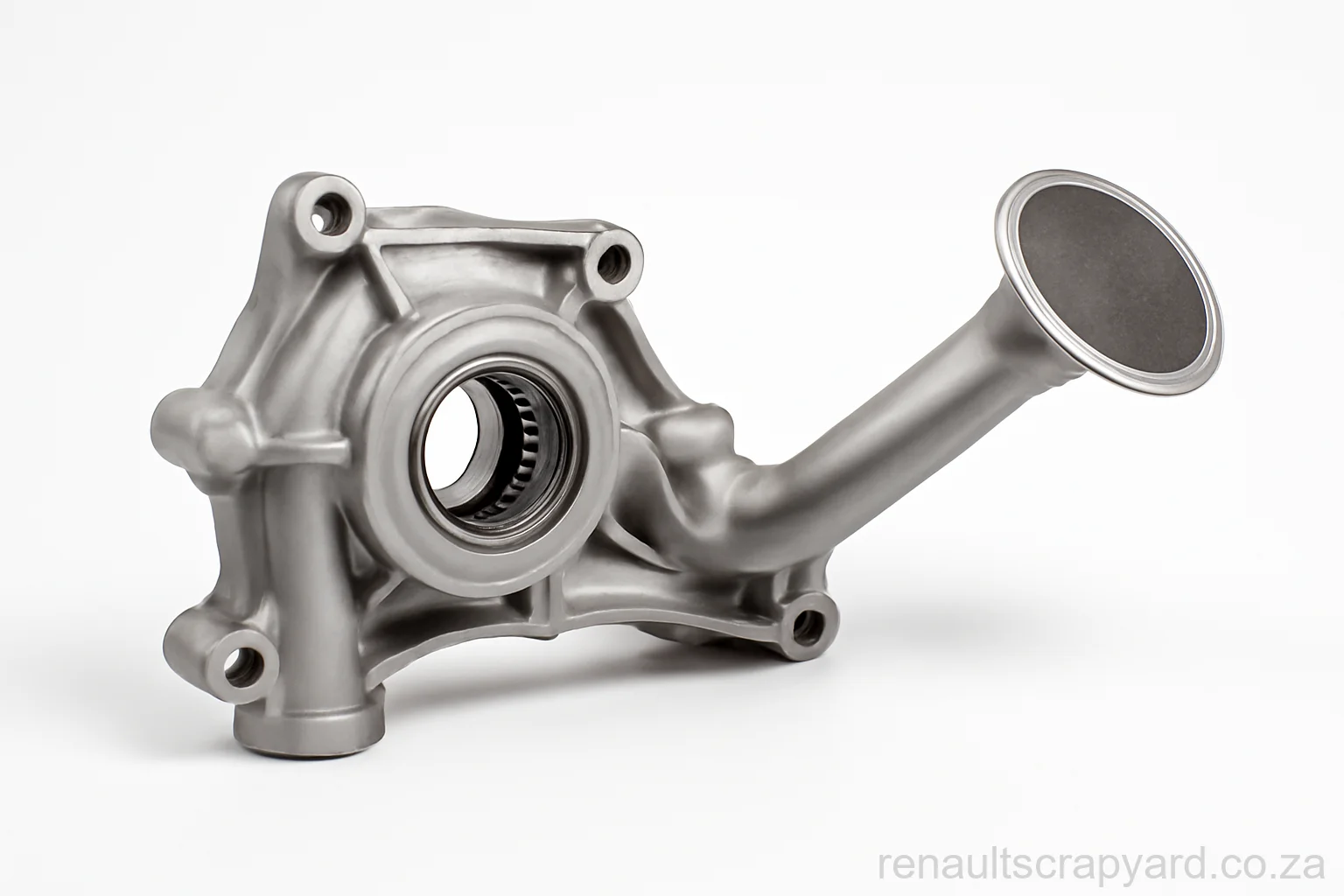
Oil Cooler Housing & Water Pump
Oil pooling in the valley or coolant disappearing on your 3.6? We supply the upgraded aluminium oil filter housing / cooler assembly, gaskets and Pentastar water pumps — sold separately so you only buy what the job needs.
5. Oil Consumption & Other Gremlins
Beyond the big three, the 3.6 Pentastar has a handful of complaints that show up as the engine racks up kilometres:
1. Oil consumption. Higher-mileage Pentastars are known to use oil between services — through valve-stem seals, worn rings, or the PCV system pulling oil vapour back through the intake. It’s why the oil-disappearing-but-no-leak complaint is so common on these motors. The defence is simple: check the oil regularly, top up with the correct grade, and don’t let it run low — low oil on a ticking Pentastar is how rocker damage turns terminal. Persistent heavy consumption on a high-kilometre engine often points toward a tired motor.
2. Wrong oil / overdue changes. The Pentastar wants a 5W-20 and a disciplined service interval. Heavier or degraded oil starves the rocker-arm needle bearings and the cam, which is exactly where the engine is weakest. Most “sudden” Pentastar failures have a trail of skipped or stretched oil changes behind them.
3. Cooling and overheating. Beyond the water pump, a tired radiator or thermostat that lets the engine run hot stresses both the cylinder heads and the plastic oil cooler housing. Heat is the common enemy behind several Pentastar failures.
4. PCV and intake faults. A stuck PCV valve or carbon build-up can cause rough idle and contribute to oil consumption — cheap to check before you assume the worst.

6. Repair Options and SA Costs
Workshop-realistic figures for Gauteng, Western Cape and KZN in mid-2026. Your quote depends on which failure you have, your labour rate, and whether the damage is contained to the top end or has reached the bottom end.
| Fix | Typical Cost (SA) | Notes |
|---|---|---|
| Rocker arms + lifters (top end) | R2 500 – R6 000 | Mostly labour; replace as a set |
| Camshaft (if scored) | R4 000 – R9 000 | Often done with rocker job on worn engine |
| Oil filter housing / cooler (aluminium) | R3 500 – R8 000 | Upgrade from plastic; flush if coolant mixed |
| Water pump (fitted) | R2 500 – R5 500 | Do with housing to save a tear-down |
| Single cylinder head (fitted) | R28 000 – R55 000 | Used, recon or new Mopar; early left head |
| Used 3.6 Pentastar engine (fitted) | R55 000 – R75 000 | Verified-mileage donor |
| Reconditioned 3.6 Pentastar (fitted) | R75 000 – R95 000 | New seats, seals, warranty |
The decision usually comes down to one question: has metal already gone through the engine? A tick caught before the debris circulates is a contained top-end repair. A rocker that’s been scraping the cam for months, an early head cracked past the valve seat, or an engine that’s been run low on oil pushes you toward a complete unit. Serviceable parts — rocker arms, lifters, oil cooler housings, water pumps — are listed individually under engine parts so you can price the contained fix before agreeing to a whole engine.
Pentastar Tick, Oil Leak or Misfire? Get a Quote Now.
We stock used and reconditioned 3.6 Pentastar V6 engines for the Wrangler, Grand Cherokee and Gladiator, plus rocker arms, lifters, cylinder heads, oil cooler housings and water pumps as separate items. Nationwide delivery from Pretoria with warranty on recon units.
7. Diagnosis Before You Spend Big
Before any quote — especially before any engine quote — run this check:
- Listen on a cold start, then warm. A tick that’s there cold and stays once warm points at rocker arms or an early head, not normal injector chatter. This is the highest-value 60-second check on a Pentastar.
- Scan for misfire history. A stored cylinder-2 misfire skews toward the early left head; a misfire under the ticking bank skews toward a rocker arm. Pull freeze-frame data, not just the live code.
- Cut the oil filter open. Glitter or fine metal in the filter media means debris is already circulating — a strong signal the rocker arms have been scraping.
- Look in the engine valley. Oil pooling in the V is the oil cooler housing; oil-and-coolant mixing means it’s gone right through.
- Confirm the build year and warranty history. A post-2012 head changes the diagnosis, and a documented head replacement under the FCA extension takes the early-head risk off the table.
A workshop that quotes you a full engine without first listening cold, scanning misfire history and cutting the oil filter is guessing. On the Pentastar, the tick is the cheapest symptom that explains the most damage — chase it down before you agree to a motor.
FAQ
Which year is 3.6 Pentastar to avoid? The riskiest years are 2011, 2012 and early 2013, because of the left cylinder head valve-seat defect that ticks and misfires on cylinder 2. FCA fixed it in production from mid-2012 with hardened seats and guides, so a late-2012 or 2013-build engine with the corrected head is much safer. If you’re looking at an early car, confirm whether the left head was ever replaced under the warranty extension.
Is the 3.6 Pentastar a bad engine? No — it’s a fundamentally sound, high-volume V6 with a few well-known weak spots. The early cylinder heads, the rocker arm tick and the plastic oil cooler housing are real, but they’re identifiable and repairable. A post-2012 Pentastar that’s had its oil changed on time and isn’t ticking is a genuinely durable engine that does big mileage.
Is the Jeep 3.6 L V6 engine reliable? Broadly yes, with maintenance. The 3.6 Pentastar’s reputation suffers from the early-head defect and the rocker arm class action, but most failures trace back to overdue oil, the wrong grade, or ignoring a tick until metal circulated. Run the correct 5W-20, change it on schedule, and act on any tick early, and the engine is dependable.
How much oil does a 3.6 Pentastar burn? A healthy Pentastar should use very little between services. Many higher-mileage examples develop noticeable consumption — topping up between oil changes — through valve-stem seals, rings or the PCV system. Light top-ups on an older engine are common; rapidly disappearing oil with no leak on a ticking engine is a warning sign, not a quirk to ignore.
Why is my Jeep burning so much oil? On a 3.6 Pentastar, heavy oil use usually comes from worn valve-stem seals, worn piston rings, or oil being pulled through the PCV system into the intake. Combined with a tick or misfire it can signal deeper top-end wear. Check the oil level regularly, use the correct 5W-20, and have a workshop confirm whether it’s a serviceable fix or a tired motor.
Why is my oil disappearing but no leak? If the level drops with nothing on the driveway, the engine is consuming oil internally — burning it through worn seals or rings, or drawing it through the PCV into the combustion chambers. It’s a common Pentastar complaint as kilometres climb. Have it checked before running low, because low oil is exactly what turns a rocker-arm tick into engine-ending damage.
What is the number one killer of a 3.6 Pentastar engine? Ignoring the tick. Whether it starts as an early cylinder head or a worn rocker arm, the metal debris it sheds circulates through the oil and damages everything it touches. Combined with low or overdue oil, that’s how a contained top-end repair becomes a full engine replacement. Catch the tick early and the Pentastar is very fixable.
Not sure whether your Pentastar tick is a rocker arm or an early head — or how far it’s gone? Send us your VIN and the symptoms and we’ll tell you honestly whether it’s a top-end repair or an engine. Start a quote on the Wrangler JL model page or browse our engine stock.
Sources
- SlashGear — These Are The 3.6L Pentastar Years To Avoid (According To Owners)
- ClassAction.org — FCA Hit with Class Action Over Alleged 3.6L Pentastar V6 Rocker Arm / Ticking Problems
- Allied Automotive — Jeep Pentastar Oil Cooler / Oil Filter Housing Leak Repair
- Offroaders.com — Chrysler Extends Warranty (10yr/150k miles) on 3.6L Pentastar Left Cylinder Head
- Torrance Motors — Understanding the Troublesome Rocker Arms in Chrysler's Pentastar V6 Engine
- MotorReviewer — Chrysler 3.6 Pentastar V6 VVT Engine Specs, Problems, Reliability
Important Disclaimer
This content is for informational purposes only and is based on research from automotive industry sources. Jeep Spares SA is not a certified automotive repair facility. Always consult with qualified automotive professionals before performing any repairs or maintenance. Improper repairs can result in personal injury, property damage, or vehicle malfunction. We assume no responsibility for actions taken based on this information.