


Jeep 3.0 CRD Engine Problems: Crank, Oil Cooler, Cost

If your Jeep Grand Cherokee 3.0 CRD is showing oil in the coolant header tank, knocking from the bottom end, or has thrown an EGR fault, you’re looking at the three failures that define this engine: a water-cooled oil cooler that fails internally, crankshaft and big-end bearings that spin, and an EGR cooler that can crack 12. In South Africa, budget R1 800 – R3 500 for an oil cooler reseal on the older OM642, R12 000 – R25 000 for an EcoDiesel oil cooler job (engine often has to come out), and R45 000 – R110 000 for a used or reconditioned 3.0 CRD engine fitted once the bottom end has let go. Catch the oil cooler early and you save the whole motor — ignore it and you’re buying an engine.
This guide covers both 3.0 V6 diesels Jeep sold, because they are not the same engine and they fail differently.
Key Takeaways
- Jeep used two different 3.0 V6 diesels: the Mercedes OM642 in the 2007–2010 WK Grand Cherokee and XH/XK Commander, and the VM Motori A630 “EcoDiesel” in the 2011–2019 WK2 Grand Cherokee 35.
- The OM642’s signature problem is leaking oil cooler seals buried in the engine valley — a labour-heavy reseal, not an engine-killer if caught early 56.
- The EcoDiesel’s signature problem is a water-cooled oil cooler with a plastic check valve that fails and puts oil into the coolant — and crankshaft/rod bearing failures that can seize the engine 12.
- There is a real NHTSA recall (20V-699 / FCA “W79”) on the 2014–2019 EcoDiesel EGR cooler for cracking that can cause an intake-manifold fire 4.
- FCA changed the EcoDiesel oil spec from 5W-30 to 5W-40 (RRT 16-064) specifically to fight main-bearing failures 7.
1. Which 3.0 CRD Do You Actually Have?
This is the single most important thing to get right before you spend a cent, because the two engines share almost nothing.
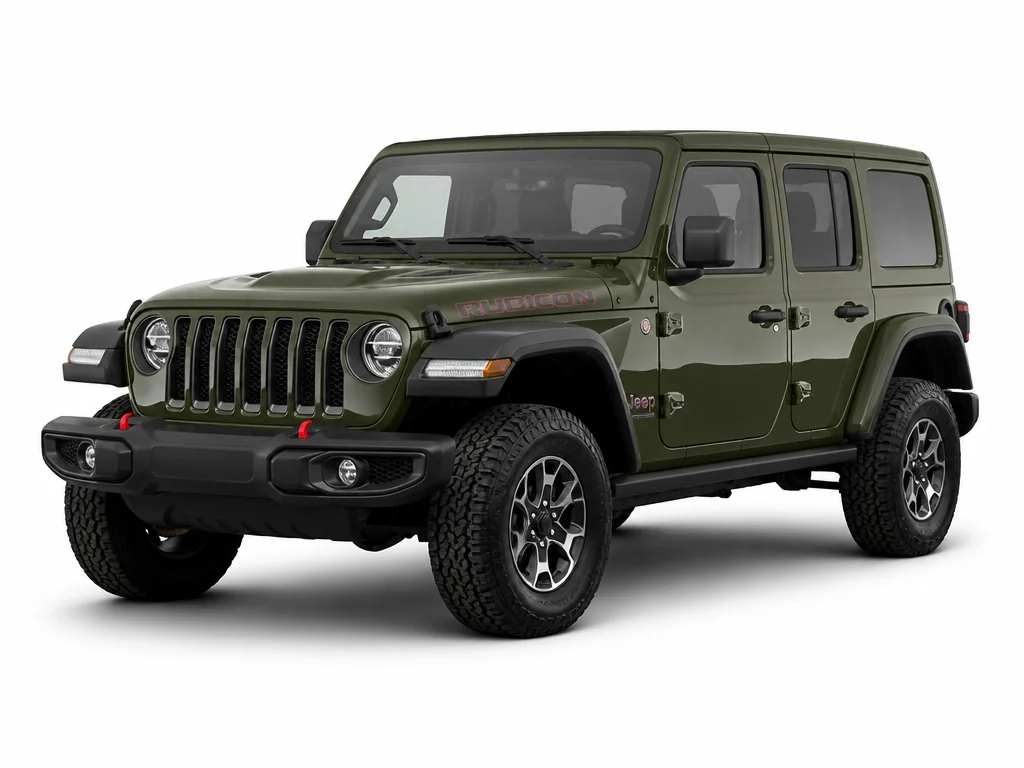
- OM642 (Mercedes, 2007–2010) — the WK Grand Cherokee 3.0 CRD and the XH Commander 3.0 CRD ran the Mercedes OM642 3.0 V6 turbodiesel, the same engine family used in the Sprinter, ML, E-Class and S-Class 56. Around 160–165 kW and 510 Nm. It’s a Mercedes-built engine wearing a Jeep badge.
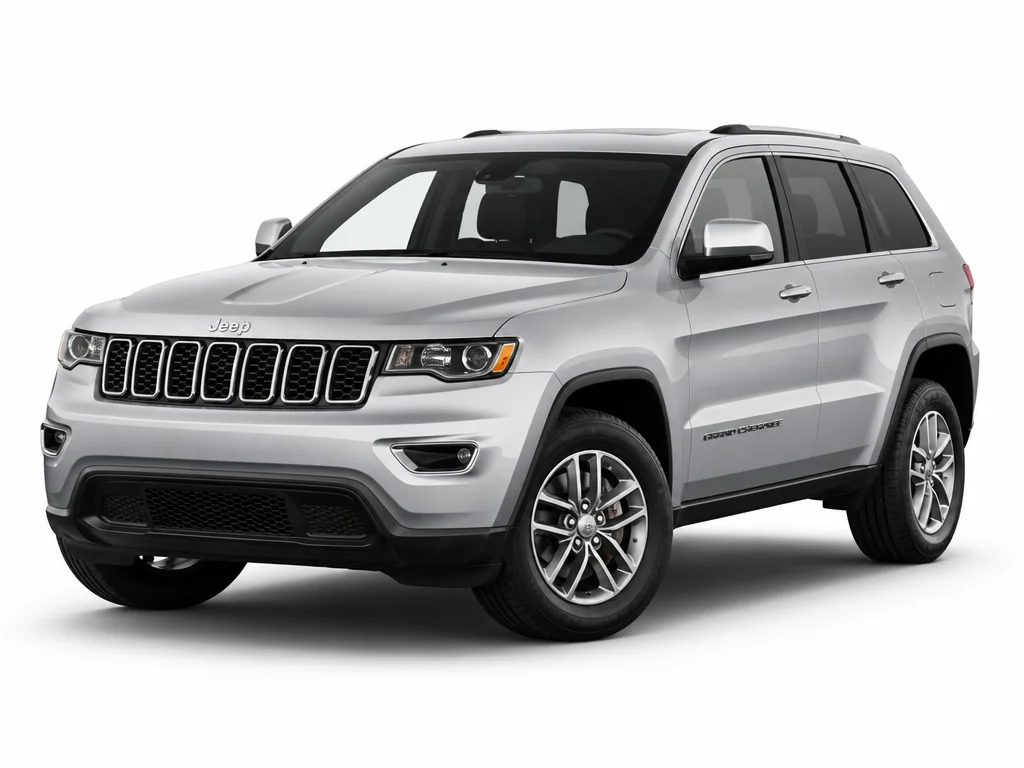
- VM Motori A630 / L630 “EcoDiesel” (2011–2019) — the WK2 Grand Cherokee 3.0 CRD ran the VM Motori A630 (the North American emissions variant is designated L630), marketed as the EcoDiesel 3. Around 177–179 kW and roughly 570 Nm. This is an Italian VM Motori engine (VM was majority-owned by FCA), not a Mercedes unit, despite a lot of confusion online.
Why it matters: the OM642’s headline failure is a leaking oil cooler seal that’s annoying but survivable. The EcoDiesel’s headline failures are oil-cooler-into-coolant contamination and bottom-end bearing death that can write off the engine. Same displacement, same “3.0 CRD” on the boot, very different repair bills. Match the engine number and VIN before you buy any part — get the donor paperwork and engine-stamp right before you pay.
2. The Oil Cooler Failure (#1 Killer on Both Engines)
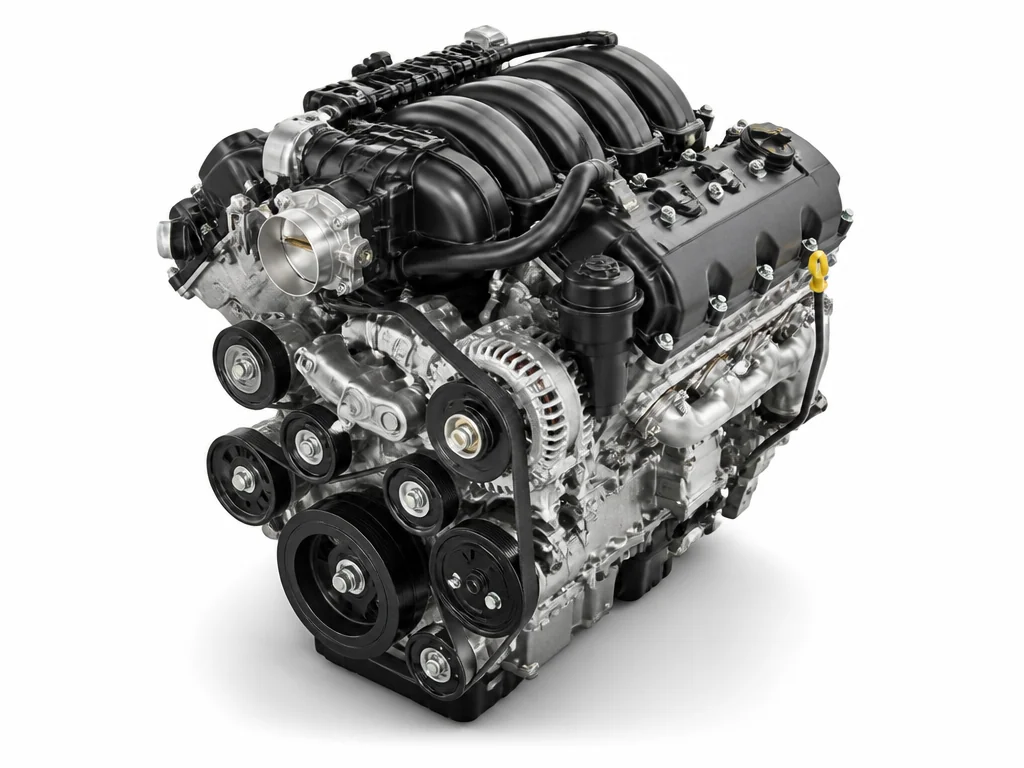
Both 3.0 CRDs hide a water-cooled oil cooler in the valley of the V, under the intake plumbing — and on both, it’s the part most likely to put you in a workshop.
On the EcoDiesel (WK2) the oil cooler and filter housing share an adapter with a plastic check valve and small springs. Sustained high oil temperature — towing, long hill climbs, SA summer traffic — weakens the springs until the cooler fails internally and engine oil crosses into the coolant 12. The tell-tale is oil floating in the coolant expansion tank, sometimes with a brief flicker of the low-oil-pressure light. Because the cooler sits so deep, the engine often has to come out to replace it, which is why this turns into a R12 000–R25 000 job rather than a quick service 2.
On the OM642 (WK / Commander) it’s the oil cooler seals that go, not a check valve. The seals harden from heat and weep, and you’ll spot oil collecting at the small drain hole near the bell-housing or pooling in the valley 56. The early orange seals were the worst; Mercedes later moved to upgraded Viton (purple) seals 5. It’s a labour-heavy reseal — turbo, intake and EGR all come off to reach it — typically 8–10 hours of workshop time, but the engine itself is usually fine afterwards.
The rule on both: oil-and-coolant mixing is an emergency. Coolant in the oil destroys bearings; oil in the coolant clogs the system. Stop driving and diagnose.

Oil Cooler, Gaskets & Seal Kits
OM642 oil cooler seal weeping into the valley, or an EcoDiesel cooler that's pushed oil into your coolant? We stock 3.0 CRD oil coolers, gasket sets and seal kits as separate line items so you're not forced into a full engine when a reseal will do.
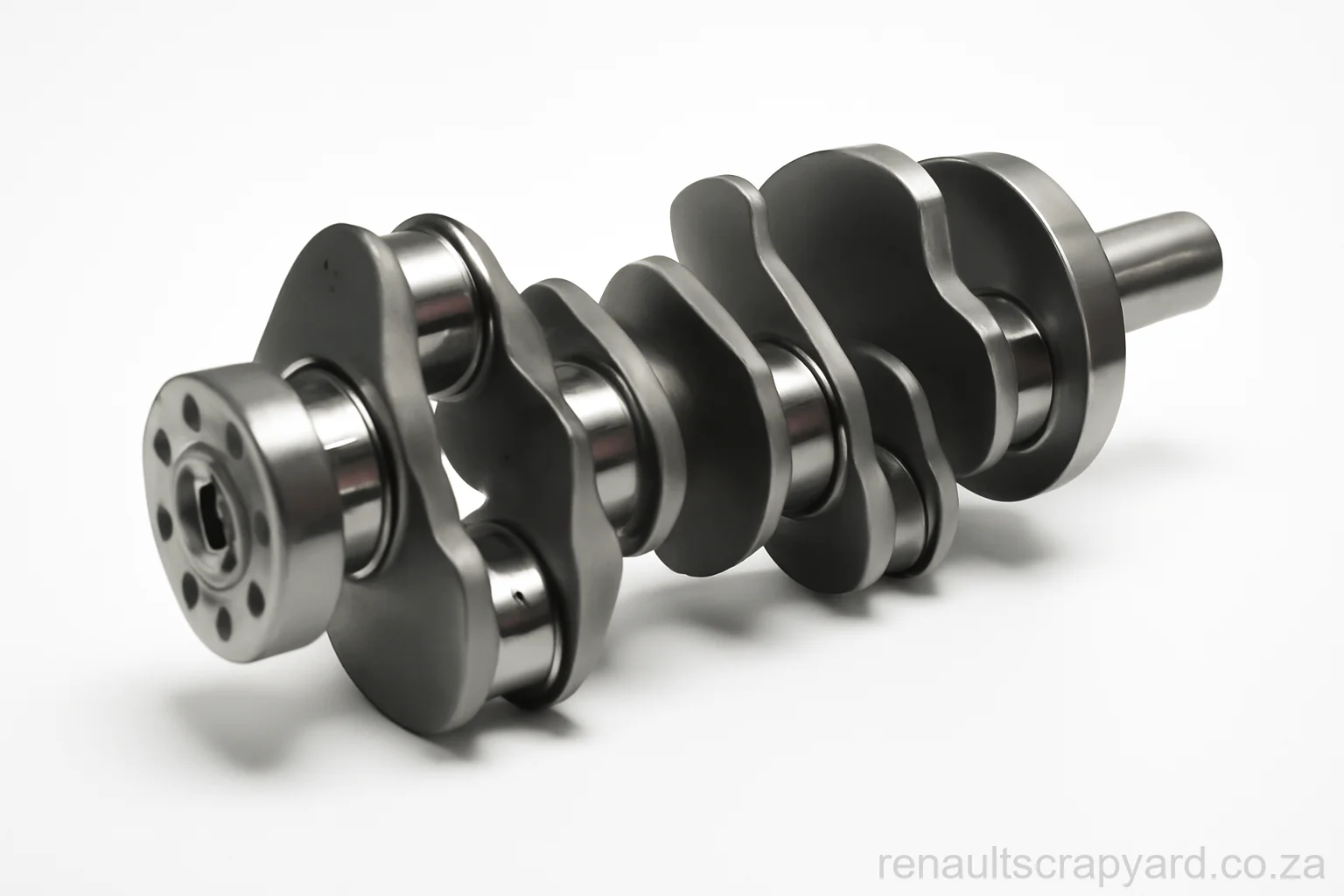
3. Crankshaft & Main / Big-End Bearing Failure (EcoDiesel)
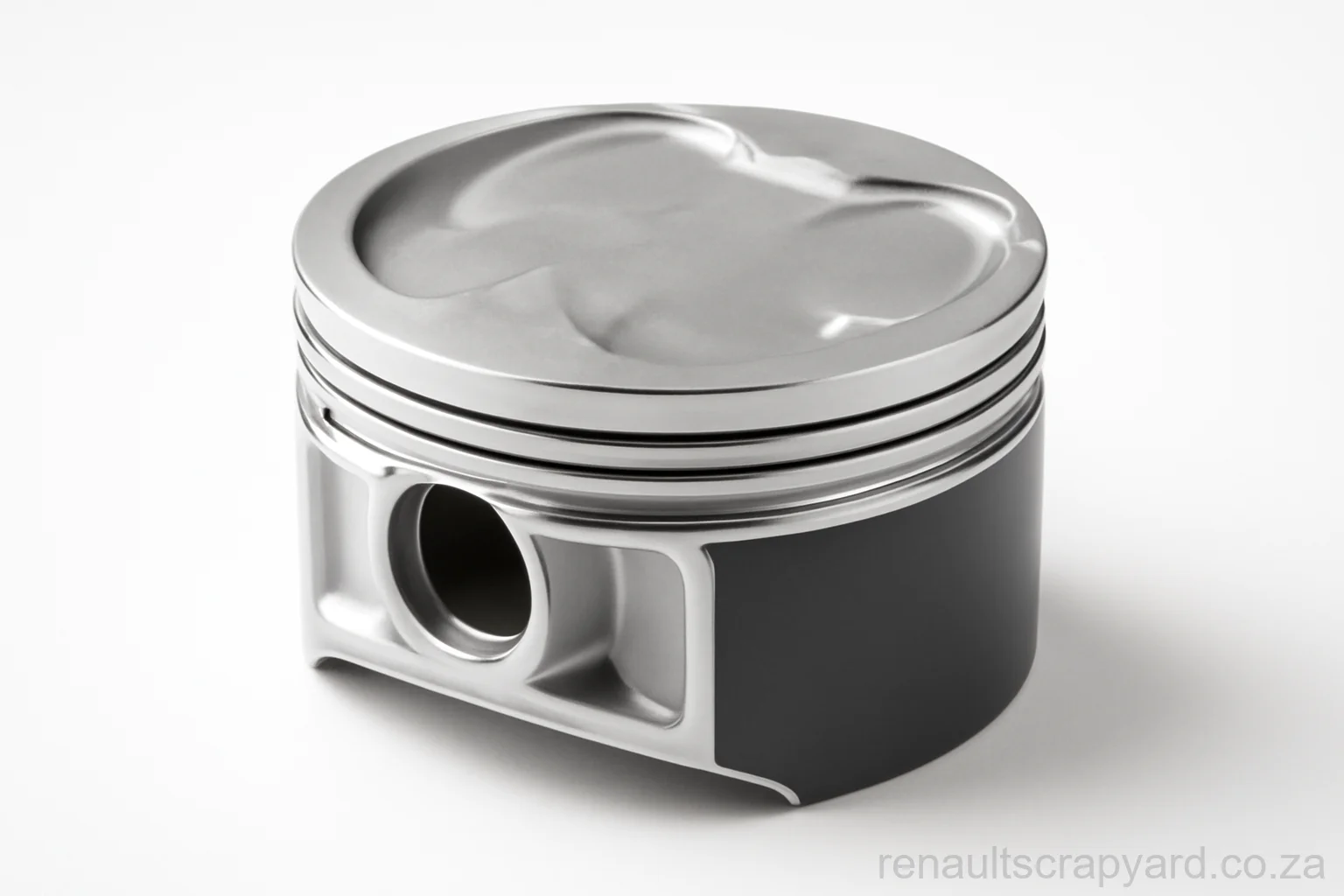
This is the one that scares people, and it’s specific to the VM Motori EcoDiesel in the WK2. The most catastrophic 3.0 EcoDiesel failures trace back to big-end (connecting rod) and main bearing failure, often on relatively low-mileage engines, blamed on assembly-line quality control rather than a fundamental design flaw 12.
What happens: a bearing spins in its journal, scores the crankshaft, and the bottom end either knocks heavily or seizes outright. You hear a deep metallic knock from low in the engine, see low oil pressure, and in the worst cases the crankshaft locks up 1. Once a bearing has spun and scored the crank, you’re not reconditioning your way out cheaply — it’s a full bottom-end rebuild or a replacement engine.
FCA took it seriously enough to change the factory oil spec. RRT 16-064 moved the EcoDiesel from 5W-30 to 5W-40 specifically to combat main-bearing failures, and dealers rolled the heavier oil back across 2014–2016 vehicles 7. The thicker oil holds a better film at the bearing under load and heat. If you own one of these, running the correct 5W-40 and changing it religiously is the single biggest thing you can do to keep the bottom end alive.
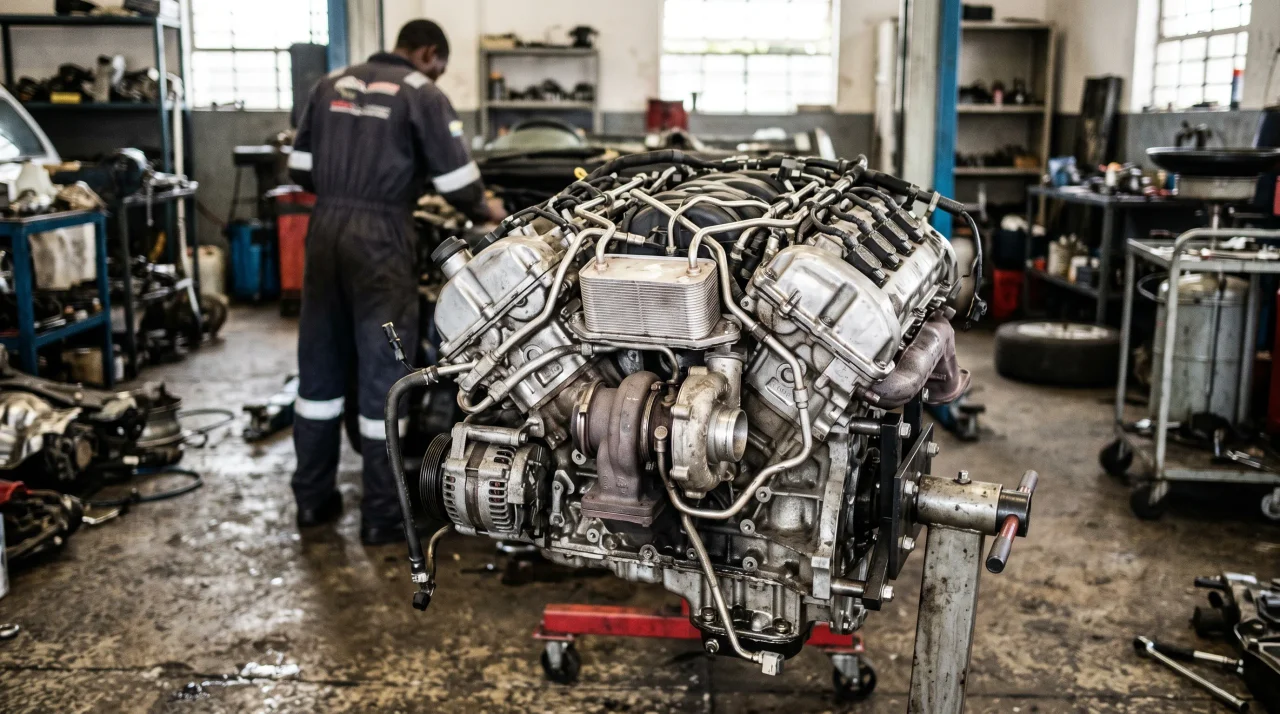
When the bottom end is gone, a sound used or reconditioned EcoDiesel long block is the sensible spend rather than chasing a rebuild on a known quality-control casualty. If you’re weighing a used unit against a recon, our guide on used versus reconditioned engines lays out the warranty and life-expectancy maths.
Used or Reconditioned 3.0 CRD Engine
Bottom-end knock, low oil pressure or a seized crank on your WK2 EcoDiesel? A verified used or reconditioned 3.0 CRD long block is the sensible call. We source units with compression and oil-pressure checks, fitted nationwide from Pretoria with warranty on recon.
4. EGR Cooler Crack — A Real Safety Recall
The EcoDiesel has a documented EGR cooler defect serious enough to be a safety recall. Under NHTSA campaign 20V-699 (FCA recall “W79”), Chrysler recalled around 34 000 2014–2019 Grand Cherokee 3.0 EcoDiesels because the EGR cooler can crack from thermal fatigue 4. A cracked cooler bleeds vaporised coolant into the EGR system, where it can ignite inside the intake manifold and start a fire 4. The remedy was a replacement EGR cooler and, where needed, a new intake manifold.
South African WK2 EcoDiesels were never part of the US recall mailing list, so most local examples have never had this done. If you own a 2014–2019 WK2 3.0 CRD here, treat the EGR cooler as a known wear item:
- A sweet smell, white smoke, or unexplained coolant loss with no visible external leak can point at a cracking EGR cooler.
- Carbon-clogged EGR coolers and valves are also a routine EcoDiesel complaint on their own, causing rough running and limp mode 2.
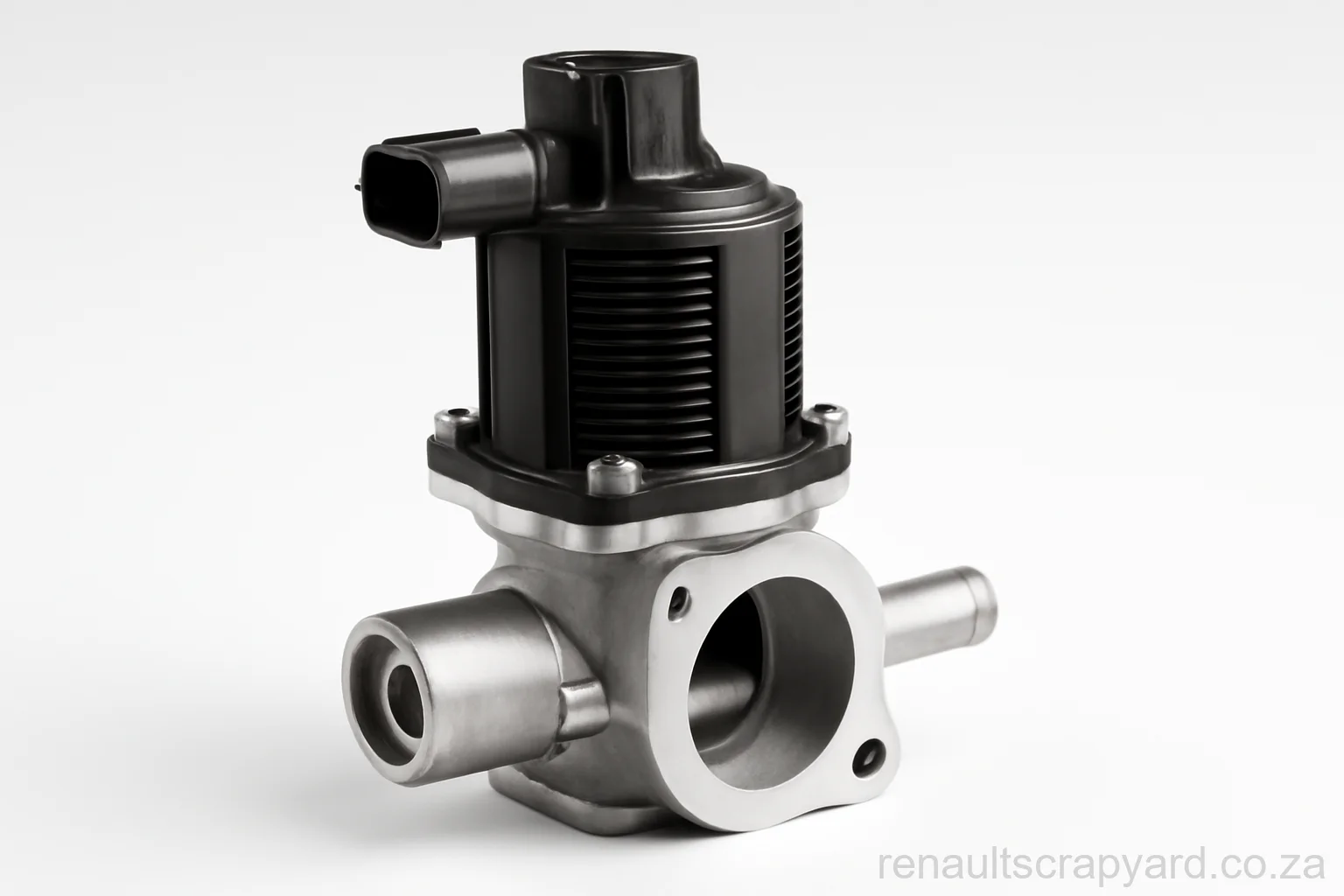
EGR Cooler & Valve
Cracked or carbon-clogged EGR cooler on your 3.0 CRD? Given the recall history, this isn't a part to ignore. We supply EGR coolers and valves for both the EcoDiesel and OM642 3.0 V6, tested before they leave the shelf.
5. Injectors, Turbo & Emissions Gremlins
Beyond the big three, the 3.0 CRD shares the usual modern-diesel weak spots:
1. Injector wear and seal weep. High-pressure common-rail injectors don’t love SA’s variable diesel quality. Worn injectors cause rough idle, smoke and hard starting; leaking injector copper seals let combustion gases past and carbon up the bores. Replacing or reconditioning injectors as a matched set beats chasing one cylinder at a time.
2. NOx and DEF sensor faults. The later EcoDiesel’s emissions kit — NOx sensors and the DEF (AdBlue) system — is a frequent complaint, and a failed NOx sensor can drop the Jeep into limp mode or refuse to start 2. These are diagnostic-tool jobs, not guesswork.
3. Turbo issues. Both engines use a variable-geometry turbo that can stick or fail from carbon and oil starvation, especially if an oil cooler leak has already starved the top end. We cover the symptoms in detail in our Jeep CRD turbo failure guide — worth reading if your boost has gone soft or you’re hearing a whistle.
4. Carbon-clogged intake and swirl flaps. EGR soot plus oil mist coats the intake over time, choking airflow and triggering rough running. A walnut-blast clean is sometimes all that’s needed.

6. Repair Options and SA Costs
Workshop-realistic figures for Gauteng, Western Cape and KZN in mid-2026. Your quote depends on which engine you have, your labour rate, and whether the damage is contained or has reached the bottom end.
| Fix | Typical Cost (SA) | Which Engine | Notes |
|---|---|---|---|
| OM642 oil cooler seal reseal | R1 800 – R3 500 | WK / Commander | 8–10 hrs labour; engine survives if caught early |
| EcoDiesel oil cooler replacement | R12 000 – R25 000 | WK2 | Engine often removed; flush cooling system |
| EGR cooler / valve replacement | R6 000 – R18 000 | Both | Recall part on EcoDiesel; check for cracks |
| Injector set (recon, fitted) | R12 000 – R28 000 | Both | Replace as a matched set |
| Turbo (VGT, fitted) | R18 000 – R35 000 | Both | Confirm oil supply is clean first |
| Bottom-end / bearing rebuild | R45 000 – R75 000 | WK2 (EcoDiesel) | Only if crank is salvageable |
| Used 3.0 CRD engine (fitted) | R45 000 – R75 000 | Both | Verified-mileage donor |
| Reconditioned 3.0 CRD (fitted) | R85 000 – R110 000 | Both | New bearings, seals, warranty |
The decision usually comes down to one question: has the bottom end been compromised? An oil cooler caught before it contaminated everything is a contained repair. A spun bearing, a seized crank, or coolant that’s been circulating through the oil for weeks pushes you toward a complete unit. Serviceable parts — oil coolers, EGR coolers, injectors, turbos — are listed individually under engine parts so you can price the contained fix before agreeing to a whole engine.
3.0 CRD Bottom-End Knock or Oil in the Coolant? Get a Quote Now.
We stock used and reconditioned 3.0 V6 CRD engines for the Grand Cherokee WK2 EcoDiesel and the WK / Commander OM642, plus oil coolers, EGR coolers, injectors and turbos as separate items. Nationwide delivery from Pretoria with warranty on recon units.
7. Diagnosis Before You Spend Big
Before any quote — especially before any engine quote — run this check:
- Pull the coolant header tank cap and look. An oil film or chocolate-milk emulsion on the coolant = oil cooler has failed internally (EcoDiesel) or a deeper gasket issue. This is the highest-value 60-second check on the 3.0 CRD.
- Check the oil for coolant. Creamy residue on the dipstick or filler cap means coolant in the oil — far more dangerous than oil in coolant, because it kills bearings.
- Listen to the bottom end cold. A deep knock from low in the block on a cold start, especially with low oil pressure, points at main/big-end bearings on the EcoDiesel. Don’t keep driving it.
- Scan with a proper bidirectional tool. You want EGR, NOx, DEF and rail-pressure data, not just generic engine codes. Cheap OBD2 readers miss most of the diesel-specific faults.
- Confirm which engine you have off the VIN and engine stamp — OM642 versus EcoDiesel changes every price on the table above.
A workshop that quotes you a full engine without first checking the coolant tank and oil for cross-contamination is guessing. The oil cooler is the cheapest part that explains the most symptoms on this engine — rule it in or out first.
FAQ
Is the Jeep 3.0 CRD reliable? It depends entirely on which one and how it’s been looked after. The Mercedes OM642 (2007–2010 WK and Commander) is a fundamentally tough engine let down by leaking oil cooler seals — fix those and it runs for ages. The VM Motori EcoDiesel (2011–2019 WK2) is more fragile, with real-world oil cooler, EGR and bottom-end bearing failures. A well-maintained EcoDiesel on the correct 5W-40 oil can do 300 000 km plus; a neglected one can fail far sooner.
What year Jeep EcoDiesel should I avoid? The 2014–2016 EcoDiesels carry the most baggage: they’re tied to a US emissions cheating settlement that saw FCA pay over US$300 million and recall around 100 000 vehicles 8, the oil cooler check-valve issue, the 5W-30-to-5W-40 oil change for main-bearing failures, and the EGR cooler recall. They can still be good buys if a particular vehicle has full service history and the recall work done — but they need the closest inspection. Always confirm the recall and oil-spec history.
What is the life expectancy of the Jeep 3.0 EcoDiesel? A disciplined owner running 5W-40 and changing oil on the dot reports 300 000 km and beyond. The engine’s reputation is dragged down by low-mileage bearing failures from assembly-line quality control and by owners who skipped the oil-spec change. Maintenance history matters more than the odometer reading on these engines.
What are the symptoms of a failing oil cooler on the 3.0 CRD? On the EcoDiesel: oil floating in the coolant expansion tank, a brief flicker of the low oil pressure light, and overheating under load. On the OM642: oil weeping at the small drain hole near the bell-housing and pooling in the engine valley. Either way, oil and coolant mixing is your cue to stop and diagnose before it reaches the bearings.
How much does it cost to replace the oil cooler on a Jeep Grand Cherokee 3.0 CRD in SA? On the OM642 (WK / Commander) a seal reseal runs roughly R1 800 – R3 500, mostly labour. On the EcoDiesel (WK2) the oil cooler job is far heavier — often R12 000 – R25 000 — because the engine usually has to come out and the cooling system needs a full flush after contamination.
Can you drive a Jeep diesel with a bad oil cooler? No, not safely. Once the oil cooler is mixing oil and coolant, every kilometre risks bearing damage on the EcoDiesel or overheating on the OM642. Short, slow limp to a workshop only. Driving it for weeks is how a R15 000 cooler job becomes a R90 000 engine.
Is the WK2 3.0 EcoDiesel a Mercedes engine? No. The WK2 EcoDiesel is a VM Motori A630 built in Italy. Only the earlier 2007–2010 WK Grand Cherokee and Commander 3.0 CRD used the Mercedes OM642. They’re commonly confused because both are 3.0 V6 diesels badged “CRD.”
What is the number one killer of a Jeep 3.0 CRD engine? On the OM642, ignored oil cooler seal leaks that eventually starve or overheat the engine. On the EcoDiesel, the combination of the failing oil cooler and the low-mileage bearing failures — made worse by running the old 5W-30 oil instead of the corrected 5W-40. In both cases, catching the oil cooler early is the difference between a contained repair and a new engine.
Not sure which 3.0 CRD you’re running or how far the damage has gone? Send us your VIN and the symptoms — we’ll tell you honestly whether it’s an oil cooler, an EGR cooler or a bottom-end job. Start a quote on the Grand Cherokee WK2 model page or browse our engine stock.
Sources
- MotorReviewer — 3.0 EcoDiesel V6 Engine Specs, Problems & Reliability
- DieselIQ — The Most Common 3.0 EcoDiesel Engine Problems
- SlashGear — Jeep Engines You Should Steer Clear Of (3.0 EcoDiesel / VM Motori)
- NHTSA Part 573 Safety Recall Report 20V-699 (FCA "W79") — 2014–2019 Grand Cherokee 3.0 EcoDiesel EGR Cooler Crack / Fire Risk
- IDParts — Mercedes OM642 3.0L V6 Oil Cooler Seal Leak
- Jeep Commander Forum — 2008 Commander 3.0 CRD (OM642) Oil Cooler Problems
- Diesel Jeeps Forum — New Oil Spec (5W-30 to 5W-40, RRT 16-064) for WK and Ram EcoDiesel
- Top Class Actions — Jeep Grand Cherokee / Ram 1500 EcoDiesel Emissions Settlement
Important Disclaimer
This content is for informational purposes only and is based on research from automotive industry sources. Jeep Spares SA is not a certified automotive repair facility. Always consult with qualified automotive professionals before performing any repairs or maintenance. Improper repairs can result in personal injury, property damage, or vehicle malfunction. We assume no responsibility for actions taken based on this information.